Bill C-24 is an insult to all Canadians

Let me tell you a little story. The kind of story that is shared by so many Canadians it has become almost cliché. It is a story of two young people fleeing an Eastern European country (oh, let’s say Latvia) after the Second World War. They meet in England, fall in love, get married. While their first child is still a baby they board a ship bound for Canada. They settle in Toronto and have two more children. They work hard, save their money, pay taxes. They are proud of their heritage and participate in the sizable Latvian community in Toronto, but they are also proud to live in Canada and love their new home. All three children attend Canadian universities.

The first child, the one who was born in England, eventually moves to the Prairies, falls in love, gets married, and has kids.

And that is where I, and bill C-24 (the “Strengthen Canadian Citizenship Act”) come in. You see, because my mother was born in England, she, and her children, are eligible for British citizenship. Though I have been a dual citizen of both Canada and Great Britain since I was 15, I have always felt, first and foremost, that I am a Canadian. There is no other country on this planet that I would rather be a citizen of. It’s not that I think my country is the greatest nation on earth, or that the sun never sets on our gloriousness, or any other alarmingly patriotic claptrap. It’s that Canada is my home. There will never be another.

I know that my story, and my sentiments, are shared by many Canadians. A lot of us have parents who were born outside the country. The story of Canada as a safe haven and a land of opportunity for those fleeing persecution or war is as feel-good and heart-warming as its tale of the intrepid pioneers, carving out a life in Canada’s west, or its stout-hearted Maritimers, holding fast to their rocky shores and pulling their living out of the sea. It is, of course, excellent PR, a way to court both foreign investment and the immigrant vote (“Canada the Benevolent Multicultural Mosaic, now with Medicare!”).  Though these tales are always incredibly oversimplified (First Nations people, for example, are conspicuously absent in these feel-good narratives, as are other inconvenient “bumps” in the story, such as the Chinese head tax, Japanese-Canadian internment during the Second World War, and Ukrainian-Canadian internment during the First), the gist is that Canada loves its immigrants, wouldn’t be what it is today without them, celebrates their various cultural heritages, and is grateful for their contribution to the country.

Or so I thought.

canada11First introduced in Parliament in February of this year (and not yet passed by the House of Commons), several aspects of bill C-24 are giving the Canadian Association of Refugee Lawyers pause, and are leaving me feeling anxious, insulted, and second-class. If this bill passes into law, Canadian citizenship will be harder to obtain, but also, shockingly, easier to lose.

Currently, a Canadian can only lose their citizenship if they came by it through fraudulent means (if they lied on their citizenship application, for example). Those citizens who filed honest applications or who were born in Canada cannot lose their right to be Canadian. Under bill C-24, not only can naturalized Canadian citizens lose their Canadian citizenship if convicted of certain crimes (either here or elsewhere), any Canadian who is, or has the potential to be, a dual citizen can lose their citizenship as well.

Never, in my entire life, did it occur to me that a Canadian born in Canada could lose their right to be a Canadian. The thought makes me sick to my stomach. It’s just…wrong. It exposes some, but not all, Canadians to an additional punishment if convicted of the crimes outlined in the bill: banishment. Not only is banishment as a punishment antiquated and out of line with a modern justice system, it’s only a punishment for SOME people, i.e. people who were, are, or could be dual citizens.

According to a statement prepared by the Canadian Association of Refugee Lawyers:

The new law divides Canadians into two classes of citizens: first class Canadians who hold no other citizenship, and second class Canadians – dual citizens, who can have their right to live in Canada taken away from them. Even if you are born in Canada, you are at risk of losing citizenship if you have dual citizenship or the possibility of dual citizenship. You may not even know that you possess another citizenship. If you have a spouse, parent, or grandparent who is a citizen of another country, you may have a right to citizenship without ever having applied for it. The proposed law would put you at risk of losing your Canadian citizenship if the Minister asserts that you possess or could obtain another citizenship. The burden would be on you to prove otherwise to the Minister’s satisfaction.

The new law will make it easier for the government to take away your citizenship in the following ways:

1. For all naturalized citizens, a federal government official can revoke your citizenship if he believes you never intended to live in Canada. This could happen if you decide to study in, accept a job in, or reside in another country. In contrast, Canadian citizens born in Canada cannot lose their citizenship by living outside of Canada.

2. For Canadians with potential dual citizenship, an official may remove your citizenship for a criminal conviction in another country, even if the other country is undemocratic or lacks the rule of law. The official may also remove your citizenship for certain serious criminal convictions in Canada, even if you have already served your sentence in Canada.

3. The power to remove your citizenship will be given to an official of Citizenship and Immigration Canada. The decision may be made in writing with no opportunity for you to speak to the official. Under the current law [i.e. as it stands now, prior to the passing of C-24], to take away your citizenship, the government must make an application to a Federal Court judge where you will have an oral hearing to defend your right to citizenship.

This bill is just wrong, and cannot logically exist in a fair justice system. Let’s say both Joe Anglophone and I are convicted of espionage (I have no idea why or how I could ever be convicted of espionage but it’s an example). Joe Anglophone’s family settled in Ontario in the 1800s and any connections he may have to Mother Britain are so many generations back that he could not possibility apply for dual citizenship. I, of course, have a mother who was born in England and even if I hadn’t applied for British citizenship I would still have the potential. Under current law, both of us would receive the same sentence for the same crime (whatever the sentence for a conviction of espionage is, which I must say I do not know). Under bill C-24, Joe Anglophone would still receive the standard sentence for espionage, while I, as a person who has the potential for dual citizenship, would receive my espionage sentence AND be stripped of my right to be a Canadian. Joe Anglophone’s crime could even have been worse than mine, but as a dual-citizen only I would face banishment.

What Bill C-24 is saying is that there are two kinds of Canadians: Canadians who can’t ever be banished and Canadians who can. You don’t need to have done anything wrong to end up in the latter camp, vulnerable to a punishment your fellow Canadians are not. You just need to be an immigrant, the child of an immigrant, or the spouse of an immigrant. Canada’s multicultural mosaic in all its glory. Right.

I think I have outlined pretty thoroughly how bill C-24 is an insult to me and people like me (since that is the situation that is most immediate to me), but it’s not too hard to see how bill C-24 is also an incredible insult to many other people who call this country home.

  • Bill C-24 is an insult to all naturalized Canadians. Becoming a citizen of Canada if you weren’t born here isn’t like getting your driver’s license. It takes literally YEARS of commitment. There are fees, applications, a citizenship test, language proficiency exams, and dizzying layers of bureaucracy. The people I know who have been sworn in after all of this work have said it was an incredibly proud moment for them. Unlike those of us who were born in Canada, naturalized Canadian citizens had to work hard for their citizenship and to be recognized as equal Canadians in the eyes of the government. Bill C-24 essentially tells these citizens that their sacrifices weren’t good enough and that this current government does NOT consider them to be “as Canadian” as those who have no possibility for other citizenship.
  • Bill C-24 has an Anglophone and Francophone bias. Based on the different kinds of immigration embraced/allowed by the Canadian government in the last 50-60 years or so, it’s probably safe to say that today, most of Canada’s dual citizens are not Anglophone or Francophone. They may be of Eastern European descent, originally escaping Soviet and/or Nazi occupation. They may be Caribbean, their story a part of the West Indian Domestic Scheme of the 1950s, or perhaps the “liberalization” of immigration in the 60s and 70s. Canadian cities are home to a large variety of ethnic and religious communities (Asian, African, Latino, Jewish, Muslim, Sikh, Ukrainian, Russian, Polish, Croatian, Latvian, etc.) and many many members of these communities are, or have the potential to be, dual citizens. Most of the “settlers” who don’t have to fear for their citizenship are the Original Whites–those of British or French origins whose family history stretches farther back into Canada’s colonial past.
  • By splitting citizenship rights where it does, bill C-24 insults the primary rights of First Nations people. If you’re going to draw a line between “real” Canadians who don’t have ties to any other country and “other” Canadians who have foreign allegiances, it’s pretty obvious where that line should be drawn. If we’re going to give some Canadians more right to call this country home than others, clearly only First Nations people should qualify. The rest of us are settlers or the descendants of settlers. C-24’s bias towards French and British settlers (who have been here longer than many other immigrant groups) privileges Canada’s colonizers and inappropriately grants them equal status with First Nations people in this regard. It’s not that I don’t think “settlers” belong here, I obviously do, but my point is that if we are going to draw these seemingly arbitrary lines through the Canadian population, there is only one “fair” place to draw them, and that’s not where bill C-24 has placed them.

Okay. So the bill insults naturalized citizens, dual citizens, First Nations people, and is biased to privilege Canadians of Anglophone and Francophone ancestry. But what about those Canadians like Joe Anglophone, who will, under C-24, have more rights to their citizenship than I will? Does C-24 insult them too, or does it, as its short title would like to suggest, “strengthen” Canadian citizenship for these people?

Well, I would like to think that any Canadian who professes to love this country and what it stands for wouldn’t like the idea that their neighbours and friends could become second-tier citizens simply due to the circumstances of their or their parents’ birth. I would like to think that granting some “safe” citizenship in this way would cheapen citizenship’s value, since it would be an additional, more iron-clad class of status based not on merit but on birth. I would like to think that these Canadians would recognize that only a few generations separate them from dual citizens like me. I would like to think that bill C-24 insults their sense of fair play and their understanding of what it means to be Canadian. I would hope that they wouldn’t appreciate the government trying to divide its citizens, when it’s so obvious that what we need more of in this country is cooperation and understanding.

I’d like to think that even citizens whose Canadian status is not threatened by this bill would still feel that being Canadian means more than divisive politics. Because it means so much more to me, and that’s why I wrote to my MP to urge her to oppose bill C-24. I encourage you to do the same.

People Powered: the No Enbridge Pipeline Rally

On Saturday, TC and I joined thousands of concerned Metro Vancouver citizens at the No Enbridge Pipeline Rally, the Vancouver edition of the Defend Our Climate, Defend Our Communities national day of action.

I was happy to lend my voice to the choir of thousands upon thousands of Canadians coast to coast who rallied for an environmentally and ethically responsible future, and the theme of this particular event (No Enbridge Pipeline) was also personal for me. Some people (i.e. politicians and media) often like to insist that shipping oil by pipeline to the coast would be safer than shipping it by rail, but the problem for me is not the mode of transportation. I don’t want tar sands crude reaching the BC coast at all, because once it does, it will be loaded into tankers which will navigate some of the most pristine and dangerous coastline in the world. It would take just one of these massive bitumen-heavy tankers to have a mishap (and it’s not a question of IF this will happen, it’s WHEN), and an ecological catastrophe would ensue.

I fell in love with the love of my life in this city by the sea, we celebrated our engagement kayaking off the coast of Salt Spring Island (with the sea birds and the seals and the otters and the countless marine species that call the water home), and it is beside this same seal-inhabited sea that my TC and I will be married. It would break my heart if our federal and provincial governments’ short-sighted hunger for dirty oil money were to kill or irreversibly harm a beautiful coastline and ecosystem that has given me so much.

My feelings aside, if we’re talking dollars and cents, the permanent costs to the various BC industries that would be decimated by a spill (fishing, aquaculture, tourism, etc.) far outweigh the temporary and minimal benefits that allowing this pipeline (and with it, the tankers) might bring to the province. Though interested parties insist oil and pipeline companies will make sure “world-class” and “world-leading” spill-recovery technology would be in place, the fact of the matter is that oil companies are already using “world-class” technology to clean up their spills, and they aren’t doing a good job of it (three years later Enbridge is still mopping up their spill in the Kalamazoo). If the technology existed to quickly and effectively clean up oil spills, don’t you think companies would be using it, instead of subjecting themselves to a PR disaster every time a major spill occurred? The fact is, the technology to effectively remove bitumen from the ocean does not exist on this planet. So “world-leading” technology, i.e. the best the world has got, is not nearly good enough.

While I was pleased to see mention of the rally in the media (the Vancouver Sun printed a decent summary of the event), it troubles me somewhat when a gathering of thousands of concerned BC citizens is described, as it was in the Province, as “a broad collection of First Nations, environmental, and political groups” (it also bothers me that the last word was more or less given to Enbridge, who have more than enough money to buy some advertising space themselves and do so on a regular basis). While each of the rally’s speakers did fit into at least one of these ethnic, political, or activist categories, and organized groups were certainly in attendance at the rally, labeling the people assembled on Saturday simply as members of this group or that group separates them from the broader BC citizenry, when in fact, those in attendance at the rally were certainly more representative of BC-ers as a whole than any glad-handing politician or smiling corporate representative could be (I mean, take a look at the photos TC took at the event. They look like regular people to me, regular people who are committed to this issue).

Yes, many of us are members or one group or another (or several), but we are still citizens of this province and this country, not separate entities. As a people, we are against the pipeline, and against oil tanker traffic on BC’s coast. What’s so hard to understand? Thousands of people gathered to voice their dissent. People. Not foreign agents. Not radicals. Not malcontents. Moms. Dads. Kids in strollers. Students. Nature lovers (not necessarily members of an environmental group). People who care about the rights of First Nations people (not necessarily First Nations themselves or a member of a First Nations group). People who care about what is happening to democracy in this country and don’t want a pipeline shoved down their throats without their permission (not necessarily members of a political party or group). Grannies in crocheted hats and pea coats. 20-somethings with dreadlocks. Guys dressed as fish. Girls waving orca signs. Taxpayers. Voters. Kayakers on False Creek holding banners in support of the rally. Gay people. Straight people. People of many different races. Young couples in love, like TC and me. Just people. Lots and lots of people.

When City of Vancouver Councillor Andrea Reimer took to the stage to assure us that the City of Vancouver (that’s the whole city mind you, not just First Nations people or environmentalists or political activists) is against the pipeline, I have never been more proud of my city. Vancouver may have a reputation for being cold, or superficial, but we stand for more than just that-time-when-we-hosted-the-Olympics. We stand for something important.

TC and I stood together for something important that day, and thousands of people stood with us. And I don’t know what will happen and I’m very very worried but I’m very very proud too. If a pipeline gets built, no government will be able to say that only radicals were against it (I mean, I’m a secretary for goodness sakes, if I wanted to be an anarchist I’d throw a brick through a window, not attend a peaceful rally). If that pipeline breaks, no government will be able to say this is what the people asked for. If a tanker spills, no government will be able to say they didn’t know their people said no. We will hold them responsible. Hopefully we won’t have to.

Lest We Forget to Remember

It’s a law of Canadian nature: once the Halloween candy has been eaten and the weather has turned the kind of ugly only November can produce, red felt poppies bloom on left-side lapels nationwide. As I check and re-check to make sure mine hasn’t fallen off, I take note of who else is wearing their poppy today, who else is being patriotic and respectful. There are a lot of us. And it’s a beautiful gesture. But it isn’t nearly enough.

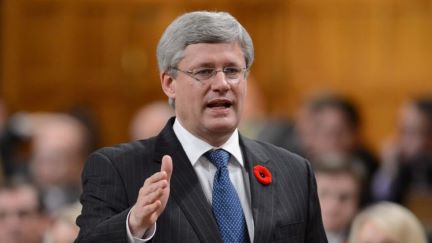
55E845F5BFECA4CC69881FF42DFD6_h243_w430_m2_q80_cEYBSqidjA cursory search on Google Images assures me that Prime Minister Stephen Harper has also been sporting his poppy lately. It’s nice that he has the option to pay tribute to our veterans with this photogenic little accessory, since dropping a quarter in a Canadian Legion box and picking up a poppy on a pin is a heck of a lot cheaper than supporting our surviving veterans through the Veterans Affairs Offices. Which is probably why nine of these offices are closing and elderly veterans in need of assistance are instead being directed to call 1-800 numbers and line up at Service Canada counters. CBC media personality Rick Mercer speaks very eloquently and passionately about this issue in his latest Rick’s Rant and his piece absolutely forms a large part of the context for this post:

I sometimes wonder if it’s all my fault. Like many people my age, I’m impatient with the older generations: Get out of the way, I think, I’m coming through! Give me your jobs and your electoral clout! The future is now, and it’s all for the young! With less and less surviving veterans in our midst every year, Canadian politicians can focus on that big juicy voting demographic they all love to court: middle-class families. Out of our way, grandpa! Yeah, you lost your friends and your youth and maybe your arm on the battlefield, but we want lower cellphone fees and roaming charges! (If you don’t believe lowering cellphone fees are one of our country’s top priorities, just take a look at the 2013 Throne Speech. Yes, “Supporting Our Armed Forces” is also one of the items mentioned, but it seems that our government has equated “support” with “we’ll ask you to do a lot of things for us in the Arctic and in return we’ll give you some new equipment to do things for us with”.)

When I was about 16 or so, I heard that an acquaintance and her high school choir had been permitted to perform Edwin Starr’s “War (What Is It Good For?)” at the school’s Remembrance Day function. I remember thinking at the time that that was so damn cool. I mean, WAR. Huh. What IS it good for?! ABSOLUTELY NOTHIN’!  War is stupid, and dying just because someone told you to is stupid, and killing people just because someone told you to is stupid. My friend and I used to crank the stereo in her parents’ car and just rock out. I love that song, and for the most part, I agree with its message. War means senseless death.

And yet…people fought anyways. My parents’ fathers fought anyways. Our veterans and their families probably don’t need a hit Motown song to tell them that war is a heart breaker, friend only to the undertaker (especially during a Remembrance Day ceremony, good god). They saw it. They know. And they did what they believed they had to do. Nowadays, we may be so privileged that we can’t understand this mindset (unless, of course, we are serving in Canada’s military or have loved ones who are), but that doesn’t mean we should rub this privilege in their faces. And it certainly doesn’t mean we can’t spare the money for the little bit of bureaucratic dignity that is their right.

Before I go any further, I should disclose the following:

  1. I cannot imagine a situation in which I would ever choose to see battle, to put myself in danger of being killed, or be required to kill another person.
  2. I would never want a loved one to join the Canadian Armed Forces because I don’t want them to kill people, and I don’t want them to die.

These two things being said, I still want and expect Canada’s military to protect me and my family, and to participate in conflicts overseas in a peacekeeping capacity. It is because I feel the way I do about my own participation in any kind of armed conflict that I feel anyone who does or did join up deserves so much respect–they did something I would never want to do, something I would never want a person I love to do (it’s also why I cry like a baby every November when I see the Silver Cross Mother on CBC). Was what happened to these men and women glorious? Was it honourable? It’s not for me to say, though in my personal belief system war is neither of those things. But our veterans (and the men and women currently serving) endured it anyways.

And now some of them are old. Very old. Over the years, they have seen friends and comrades pass away, and watched as society has quietly pushed them aside to make way for the things we want right now: tax breaks and lower monthly cellphone bills. We already know Canada’s greying population is going to cost us all a lot of money going forward–magazines like Maclean’s print dire warnings about it all the time. Dying is expensive. Dying with some shreds of your dignity still intact even more so. But a human being does not stop being a human being just because they are old and no longer drive the economic engine. A citizen does not stop being a citizen because they are no longer paying income taxes. And a veteran doesn’t stop being a hero just because there are fewer and fewer people alive who remember their sacrifices.

Remembrance Day is as good a time as any to remember that “remembering” is not passive, and wearing a poppy doesn’t cut it. Truly remembering another person’s sacrifice is an active way of being. It might mean our taxes are a little higher because we have the luxury to whine about roaming fees instead of living in fear that our child, sibling, spouse, or parent might not come home. It might mean our taxes are a little higher because we don’t have to worry that our government will put us in harm’s way to be a cog in some grand scheme happening on the other side of the ocean.

This Remembrance Day, instead of just showing up and receiving salutes, I would like our Prime Minister to encourage Canadians to actively remember the sacrifices of our veterans, and to trust that we want our veterans to spend their last years with the dignity they deserve, whatever the cost. You can’t put a price on human life, and we’ve already asked so many people to give up theirs.

Sorry Pop, I’m a Closet Monarchist

queen-1_2403579bWhen I was in grade 5, my father helped fill the gaps in my social studies curriculum by explaining to me how the “Governor General” part of our parliamentary system really worked. He explained that the Queen was our head of state (which is why her face is on the money), but that neither she nor the Governor General actually DID anything to govern the country, and that Canada’s membership in the Commonwealth was really just a leftover from days gone by. Though I can’t remember the exact words my father used, the gist was that the monarchy was stupid and Canada didn’t need it.

Being a very politically minded ten year old with strong notions of what was “fair” and what was “stupid”, I wholeheartedly agreed with my dad. I even made up a song in support of Canada severing its ties to the monarchy (to the tune of O Canada–I sang it to my sister but she wasn’t a huge fan so I never sought to record it). For the most part, I still agree that to pretend Canada is ruled by a British monarch when in actual fact we are governed by a Prime Minister (and an increasingly powerful PMO) is a bit stupid.

So why did I just catch myself googling articles about baby Prince George’s christening? Why did I bother finding a YouTube video of the Royal Wedding a couple of years ago so that I could watch the ceremony and cry a little as two complete strangers exchanged vows? Why am I so fascinated by the life of the young Elizabeth II, and her parents before her? Why do I agree that Canada’s parliamentary system doesn’t make much sense nowadays while secretly hoping it will never never change? (With regards to the monarchy, I mean, not the more pressing ills plaguing it).

I don’t think it’s just celeb-worship–while I flip through an InTouch or Life&Style in the staff lunch room every now and then, I don’t seek out celebrity news or celebrity photos (though I seem to absorb more than enough of it anyways). And it takes more than being rich and royal to interest me (I’m not interested in the royal cousins, Sarah Ferguson, or any other Windsor-family offshoots). And Prince William is NOT a handsome man (despite what Maclean’s politely prints about him, he’s just not. He’s tall, he’s neat, and he does not yet appear to have a beer gut, but that’s it). So what the hell is the appeal?

Maybe it’s just nice to see a nice young couple behave nicely in public. Most young famous people in the news these days do NOT act very nicely in public. That last sentence made me sound about seventy years older than I actually am, but it’s true–I mean, Justin Bieber wore OVERALLS to collect his completely undeserved Queen’s Jubilee Medal for goodness sakes. (Someone I work with also received a Queen’s Jubilee Medal. He is a wonderful educator who devoted years of his life to volunteerism and to helping young people enjoy and understand math, and though Stephen Harper did not personally give him his medal, you can bet your ass my colleague dressed for the occasion). But I digress. My point is that the Duke and Duchess of Cambridge seem like a nice young couple who comport themselves very decorously through an endless stream of public engagements that I would find mind-numbingly boring. I also have a lot of respect for the Queen, who’s been comporting herself decorously through mind-numbingly boring public engagements (on average more than once daily) for over 60 years.

Is it absolutely stupid that some people, by virtue of their birth alone, are supported in relative wealth by the public purse, are pursued relentlessly by media, and are required to christen boats, tour cracker factories, and publicly announce the birth of their children? Yes. It’s stupid. It’s absolutely stupid. But there’s something comforting about it just the same. It’s not just that everyone likes the idea of a fairytale (and royal weddings in which the heir to the throne marries a commoner are the closest we can get to Cinderella’s ball)–there’s something about watching people carry out a duty they did not ask for, politely and without complaint, that does us good. With the exception of Charles’ and Diana’s carryings-on, the British royal family uphold an image of propriety in an increasingly vulgar world (a world where just the other evening a drunk man peed in my stairwell, such fun!). And it’s not a life I’d want, riches or no riches.

Do you think the pregnant Duchess enjoyed a slew of news cameras all but up her uterus as she was giving birth? Do you think William enjoys having stories about his dead mother smeared across newspaper stands and screamed on the nightly news every time some quack has a new conspiracy theory about her death? Do you think either of the royal couple enjoyed having their engagement and marriage compared to that of Charles and Diana, a marriage that failed so disastrously and so publicly they can never be free of it? Do you think the Queen enjoys touring the aforementioned cracker factories or standing on a barge in the pouring rain as a flotilla goes down the Thames in her honour (if someone was going to do something in MY honour, I’d ask to not be standing around in the rain, please). Do you think the royal family enjoys having to ask the British government for money every time their home (Buckingham Palace, which also doubles as a tourist attraction) gets a leaky roof or a past-due carpet? Of course they don’t. But they do these things, all of them, and they never act as though they mind. They understand the ways in which they are privileged and accept the ways in which they have to pay the price. In other words, they’re the absolute best kind of rich people, and for that, I bear them no ill will.

My respect for the Windsors’ commitment to their duty aside, perhaps I, like many other closet monarchists, just like being able to watch a young couple live out their (relatively) normal life–dating in college, getting engaged on vacation, getting married, having a baby, etc. I wonder if everyone should be assigned a random young couple whose lives they can follow with interest and a sense of good will even though they have no personal connection to them. Isn’t it nice to want happiness for total strangers who can do nothing for you? I think so. Whether you agree with the monarchy as part of a governing structure or not, you can’t deny that if “Will and Kate Windsor” were just a new couple in your neighbourhood you’d probably think they were very nice and wish them the best as they started their family. The fact that they’re “royal” really shouldn’t change that. Like a win for our favourite sports team, a turn of good fortune for the royal couple (like the delivery of a healthy baby) is something that people seem to rally around and be happy about. And why not?

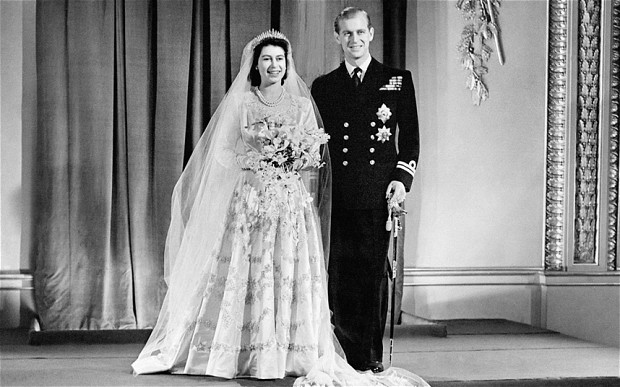
Maybe deep down the real reason I am interested in the monarchy is because somewhere in my mind I have confused the Queen with my grandmother. A much more soft-spoken, well-dressed, and British version of my grandmother. Actually, Queen Elizabeth II and my Latvian grandmother are nothing at all alike, but I don’t care. I once saw a photo of the Queen at her wedding (when she was still Princess Elizabeth)–her gown was relatively simple with long white sleeves and a long filmy veil. Though my grandmother’s wedding dress was not similar in grandeur, her style was similar in sentiment–same post-war simplicity and modesty, same white sleeves, same long filmy veil (same hairdo too I think, though my grandmother did not have a tiara). Same soft black and white photographs, same tall husband standing with military erectness, beside and a little behind his new wife. All of this is absolutely fascinating to me.

I also once heard an anecdote in which one of the Queen’s hunting dogs brought her a nearly dead pheasant (this happened in 2000, I believe). Her Majesty took the bird from the dog’s mouth and wrung its neck until it was dead (I assume to end its suffering, as it had already been shot). I like to think that my grandma, who was raised on a farm (until the Soviets took it away), would do the same. Some may shy away from the harsh realities of pastoral life, but not the Queen and my grandma, no siree. If a pheasant’s neck needs wringing, they wring the pheasant’s neck–no harm, no fowl.

[Sorry, I couldn’t resist. I’m trying to cheer my dad up now that his daughter’s a monarchist against both our better judgement. I guess I was smarter at ten than I am at 27.]

UPDATE: My mom says I forgot to mention that I have a British passport–very true, I am a dual citizen. So if one is a subject of Her Majesty by virtue of being British, or by virtue of being Canadian, then perhaps I’m such a monarchist by virtue of being DOUBLY a subject of the Crown. Such fun!

Canadian Democracy Round-Up Fall 2013

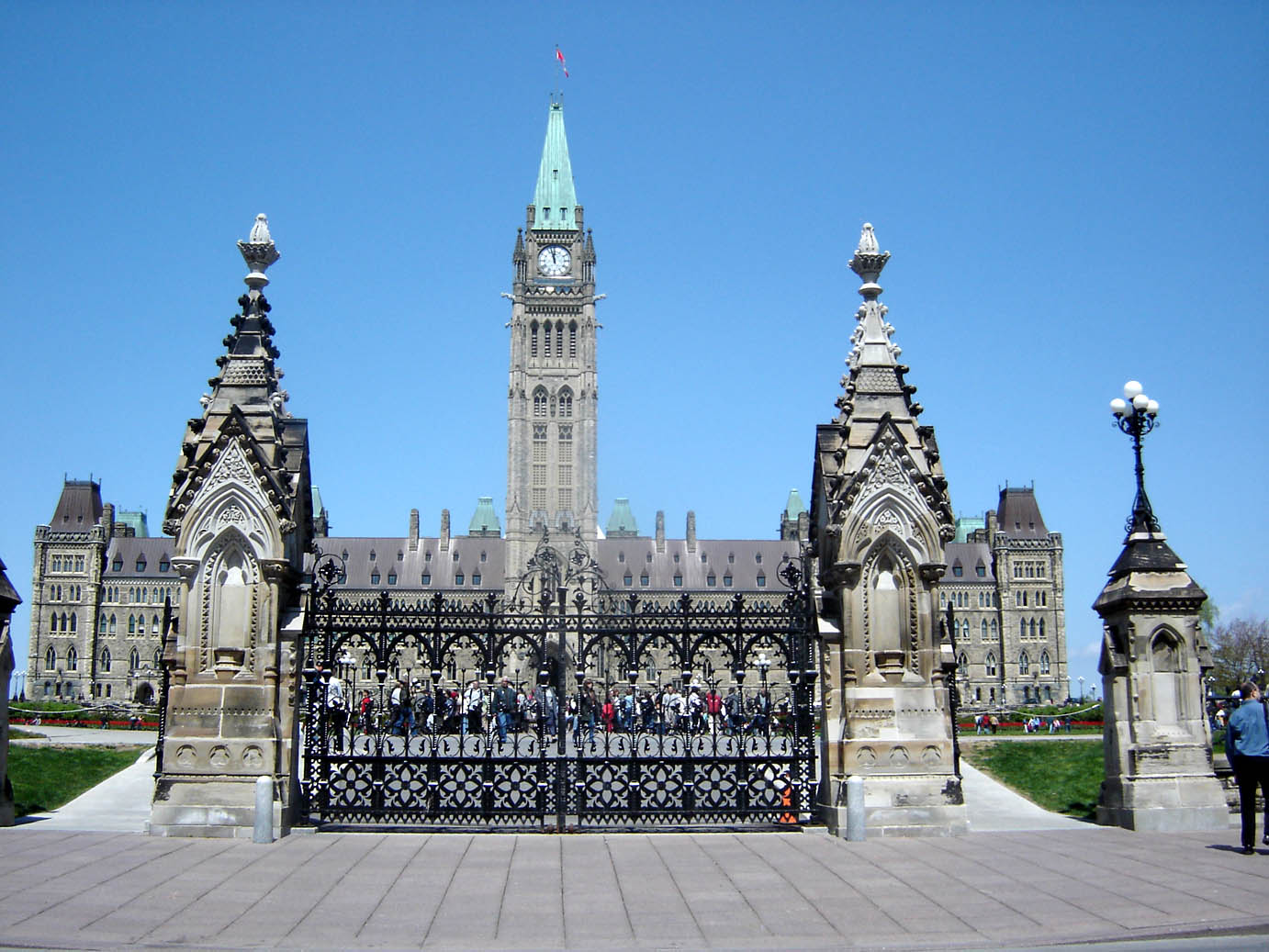
Parliament_Hill_Front_EntranceIt’s been a long year for this lil’ blog o’ mine, and a long year for democracy in Canada. Considering we’ve now passed the half-way mark between the 2011 federal election and the next one, I wanted to take stock, in a general sense, of what’s been going on around me while I was busy thinking (and writing) about other things.

So, in no particular order, I give you my Canadian Democracy Round-Up for Fall 2013:

IDLE NO MORE AND BC RECONCILIATION WEEK PUT FIRST NATIONS ISSUES FRONT AND CENTRE, AND THE OPPOSITION PARTIES, AT LEAST, ARE PAYING ATTENTION

I’ve learned so much more about the history of First Nations people in Canada and the disastrous legacy of Residential schools in the past year than I’d learned in the whole of the rest of my life (and I even grew up near a reserve, so I really don’t have much of an excuse except that the issues weren’t much taught in my school). And I truly believe that Canada as a whole can only benefit from the success of this movement–culturally, environmentally, and morally–and from real, concrete acts of reconciliation with First Nations people. I also believe the legal challenges several First Nations have filed against the Canadian government’s proposed pipeline projects are maybe the best chance we have of escaping a massive spill in this province.

[One of my favourite pieces written about this movement is called An open letter to all my relations: On Idle No More, Chief Spence and non-violence by Anishinaabe lawyer and excellent writer Aaron James Mills. Please read it if you haven’t already.]

STEPHEN HARPER REALLY REALLY WANTS TO KEEP POWER, BUT I’M NOT EXACTLY SURE WHY.

harper-620-9847209Stephen Harper wants you to think that a stable majority government for the Conservatives is necessary to steer Canada through dark economic times, but I honestly can’t see how Canada would be any worse off under any other government’s management than it is now. If Harper really wanted to improve Canada and make it a better place to live for Canadians (including First Nations people and new immigrants), he’d make policy decisions based on sound scientific and statistical evidence. Instead, he’s prorogued Parliament, again, so that he can focus on trying to coerce BC First Nations into agreeing to various oil pipeline projects that would destroy BC’s pristine landscape (and the tourism industry it supports, not to mention an entire way of life for First Nations people) and bring in very few permanent jobs. Oh, and Harper and his message are stompin’ around the BC countryside right about the same time as BC’s Reconciliation Week. Sound (or tactful) policy this ain’t.

Generally speaking, Harper’s been spending his time making sure he’ll be reelected. Most of his decisions do not benefit Canada, but they do benefit his party, the corporations that support it, and those who share his conservative ideology. The Canadian government’s muzzling of scientists, for example. Why would you want to keep scientists from making their research public? Surely the public, who pay for the research with their tax dollars, have a right to the information required to make sound decisions about the future of their country. The Canadian government, after all, is merely meant to represent the will of the Canadian people, not effectively decide what their will is by withholding information from them. But, of course, much of this research could jeopardize the Harper Government’s claims that they take the environment seriously (as they essentially copy-paste oil lobbyists’ requests into legislation), so it must be controlled. Ho hum. So much for science.

But surely the Parliamentary Budget Officer, whose mandate, according to the PBO’s published literature, “is to provide independent analysis to Parliament on the state of the nation’s finances, the government’s estimates and trends in the Canadian economy; and upon request from a committee or parliamentarian, to estimate the financial cost of any proposal for matters over which Parliament has jurisdiction”, would meet with no resistance to his requests for information? Well, no. Unfortunately, the PBO kept asking questions the government didn’t like, so they made it as difficult as possible to find the answers. Answers which, as it turned out, Canadians desperately needed to keep us from doing stupid things like paying for outlandishly expensive F-35 fighter jets. Thank you PBO!

As for you, Harper Government, what the hell do you want to keep running Canada for? You clearly don’t like our country all that much.

JUSTIN TRUDEAU WINS LIBERAL LEADERSHIP RACE. THE FIRST MAJOR THING HE DECIDES TO DO IS TELL US HE SMOKED POT A FEW TIMES (ONCE EVEN AFTER HE BECAME AN MP).

Gasp. Big deal. Trudeau used to work in Whistler, after all. The only thing newsworthy about this is the hoopla everyone, Trudeau included, is making about it. And that Trudeau was stupid enough keep talking about it when he should be trying to prove to people that he’s not too young or inexperienced (or stoned) to head up our economy.

OPPOSITION PARTIES REALLY SHOULDN’T EXPECT GOVERNMENT SCANDAL TO CARRY THEM TO VICTORY

This one should have been obvious after the federal Conservatives were found to be in contempt of Parliament in 2011 and Canadian voters still handed them a majority. But alas, the BC NDP seemed to have forgotten this entirely during our last provincial election. They chose a leader (Adrian Dix) who definitely had the best intentions but about as much charisma as a soggy umbrella, and expected that the BC Liberal’s various scandals and fumbles (HST, the ethnic vote scandal, their wishy-washiness over oil pipelines) would convince voters that he should be premier. BC Liberal leader (and current premier) Christy Clark is definitely not my favourite person in the province, but you gotta admit the lady knows a thing or two about public presentation. While Dix and his BC NDP seemed content to play the “aw shucks, I’m a nice guy” card and let the Lib’s past offenses speak for themselves, Christy Clark was doing her best to make sure that people who wanted jobs, security, and economic prosperity would choose her. Turns out, a lot of BCers really like jobs. As of yesterday, Adrian Dix has stepped down as BC NDP party leader, which is a decision I certainly respect, but I really wish that he’d decided to leave the job before the provincial election.

Federally, the Opposition parties need to understand that for better or worse, the Harper Government controls the message (did you enjoy those taxpayer funded attack ads this spring?) and they are going to define the terms of the debate. Want to get all huffy and puffy about Senate reform, Mulcair? That’s fine, but just so you know, Stephen Harper is doing everything he can to convince Canadians that their livelihood, financial security, and family’s future depends upon him. So, you know, you might want to spend some time on that (i.e. the economy), instead of whatever it is you’re doing. By all means, remind Canadians how shitty the Prime Minister is (and remind them again during the actual election), but don’t forget they can’t eat your self-righteousness for dinner.

We want solutions guys. Solutions not based in some kind of pie-in-the-sky socialist utopia where there’s enough money to pay for everything and cars run on happy thoughts. We want evidenced-backed solutions that demonstrate how implementing X, Y, or Z will be good for Canadians AND the economy. Obviously, it would help if the long-form census hadn’t been scrapped, but try to work with what you’ve got. Please? Okay.

THERE WILL BE NO FALL SITTING OF THE BC LEGISLATURE THIS YEAR.

This means the BC Legislature will have sat for only 36 days in all of 2013. Pretty damn pathetic, isn’t it? Guess Premier Clark is a lot like Prime Minister Harper that way–really love to have power, do anything they can to keep it, don’t seem interested in doing much good with it, or even, you know, going into the place where they work. Fantastic.

FAVOURITE FEDERAL MPs THIS YEAR: NATHAN CULLEN AND ELIZABETH MAY

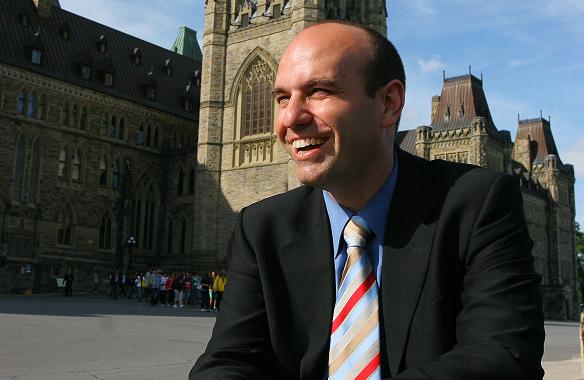
Feb. 16 Cullen_0_0I really really wish Official Opposition House Leader Nathan Cullen had become the leader of the federal NDP. I followed the NDP leadership race and I thought he was fantastic–serious and well-versed in the issues while at the same time totally relaxed and personable. He seems to have that “Jack Layton” spark, unlike Mulcair, who is certainly a worthy opponent for Harper but sometimes reminds me of an angry uncle at a Thanksgiving dinner. I’m hoping Cullen will become a more visible presence as we move towards the next federal election–his personality and BC roots would certainly be an asset in scooping up some more western ridings.

ey336bahz9dtfsm9ungrAs for Elizabeth May, she just rocks. As the leader of the Green Party, she was so determined to become an MP she moved all over the country. Now that she’s an MP (the only one of her party), she refuses to behave as though her lone voice doesn’t matter and takes great care crafting proposals, questioning the government, and attending all votes. She is very very good at keeping the public up to speed about all this (I know this because I receive her e-newsletter and follow her on Twitter even though she is not my MP) and by all accounts, she is one of the most hardworking politicians in Ottawa (unlike certain dubious expense-claiming Senators, cough cough).

Basically, if I lived in May’s riding, there’s a pretty good chance I’d break from my usual commitment to voting NDP and vote for this woman. She’s the politician all politicians should try to be.

THE SENATE EXPENSE SCANDAL

This has been a big one, hasn’t it? Everything to do with the Senate has become so effed up I can see why people are calling for its abolition, which is a real shame because if the Senators actually did their job they could be really really good for Canadian democracy. They may even have prevented some of these horrible omnibus bills from being passed in the last couple of years. Instead, the Senators who were appointed by the ruling party just rubber-stamp whatever legislation the government sees fit to inflict upon the nation and then make us pay for their dubious travel and living expenses. Even when they quit in disgrace they still receive the kind of pensions most of us can only dream about. Democracy at work!

011sen-chamber2So…..that’s kinda what’s been happening in Canadian democracy. There’s more, of course, there’s always more, but this is what has struck me and this is what has stuck. Time to look forward to the next couple years, I guess, and hope things don’t have to get any worse before they start getting better.

[If there’s anything important you think I missed please mention it in the comments section, I’d be interested in knowing what’s important to people who AREN’T me.]

Exploring the Past at the Ukrainian Cultural Heritage Village

Photo credit: Daina Zilans

Photo credit: Daina Zilans

My (Ukrainian) dad had always wanted to visit the Ukrainian Cultural Heritage Village just outside of Edmonton, Alberta, and this week he got his wish–we were passing through that part of the province with just enough time to get a good look at the place before it closed for the evening, and I’m so glad we did.

For anyone with Ukrainian-Canadian roots (or anyone interested in pioneer Prairie communities), this heritage village (interpreted for the period between 1900 and 1930) is an absolute gem. Costumed role-players “inhabit” the buildings, welcoming visitors into their homes and businesses and making informative conversation in (nearly) flawless Ukrainian accents, and the buildings and farmsteads are authentic down to the last mud puddle and runaway chicken.

My dad and I check out a 1918 granary. Photo credit: Daina Zilans

My dad and I check out a 1918 granary. Photo credit: Daina Zilans

As I child of the Saskatchewan, I am not unfamiliar with heritage villages (the Western Development Museum in North Battleford is not too far from where I grew up, and the Prairies are dotted with old churches, schoolhouses, and railway stations preserved as small-town museums) and I’ve always enjoyed them, but the Ukrainian Cultural Heritage Village is something truly special. Unlike many heritage villages I’ve seen, the buildings at the Ukrainian Village were not cluttered with antiques, instead furnished only with those tools and dishes the families actually would have used and owned. The costumed interpreters, rather than launching into a set “spiel” every time a visitor entered their “zone”, simply welcomed us into their home or business and then made pleasant conversation, providing historical/cultural information only when asked (and always as if they were truly the owner of their home and never from the perspective of a person living after the time period of the building). The interpreters were so thorough I felt uncomfortable wandering into their bedrooms and back porches, feeling as though I was actually trespassing in somebody’s house.

The most impressive details, of course, are always the really basic ones, and ones that other heritage museums often miss in their efforts to keep their sites prim and tidy. For example, many of the farmsteads smelled–there were pigs in the pen and piles of horseshit in the barn and actual slop pails in the houses (sour milk and all–I pity the poor interpreters who sat in hot stinky kitchens all day). The large grassy expanses between the farmsteads were either obviously cut by hand, or not at all, and the roads between the “rural” zones of the heritage village and the town site showed only the narrow wheel tracks of horse-drawn carts and antique trucks. In sights, sounds, and smells, visiting the Ukrainian Village is an incredibly immersive experience, and one my father said brought him back not only to his own childhood farmhouse, but to the farmsteads of his aunts and uncles as well.

My only complaint about the Ukrainian Cultural Heritage Village is that we had only given ourselves an hour to see it, and it is a place I could easily spend the better part of a day.

The "villagers" gather at the end of their work day. Photo credit: Daina Zilans

The “villagers” gather at the end of their work day. Photo credit: Daina Zilans

Wreck Beach and the true meaning of “clothing optional”

Wreck Beach No GawkingWreck Beach is, according to official signage, a “clothing optional” beach. What “clothing optional” really means, however, is a subject for heated debate amongst frequenters of the beach, however they choose to clothe themselves.

Semantically, “clothing optional” means that while clothes are an option on the beach, they are not mandatory. Though many people use the phrase “clothing optional beach” synonymously with “nude beach”, the two are not the same thing. Therein lies the problem.

While most people who frequent Wreck Beach embrace the tacit nudity of the locale, an increasing number of visitors (called “textiles” by the regulars) are emphatically putting the “clothing” back in clothing optional. In a perfect world, this wouldn’t matter at all, with nudes and textiles coexisting side by side in perfect harmony. Unfortunately, it does matter, and it’s harshing my mellow.

As the debate rages both on the Wreck Beach Facebook forum and on the beach itself, there are a few factors to keep in mind that make coming to any kind of conclusion rather difficult:

  1. Wreck Beach is the only beach of its kind in Vancouver. Those who wish to clothe themselves while at the beach can do so at any number of beautiful lower mainland beaches. Those who embrace the nudist/naturist lifestyle have only Wreck Beach, and they are beginning to feel crowded out.
  2. That said, Wreck Beach is a public beach. At most public beaches in the city, at least a swim suit is required. For city council and the Parks Board, allowing nude bathing at Wreck is likely considered to be a concession to its vocal supporters (specifically the Wreck Beach Preservation Society). I have a feeling councillors and board members would balk at the idea of making nudity mandatory on public property–the designation “clothing optional” is a means of meeting nude beach supporters half way.
  3. Not everyone is comfortable being naked at the beach, and being forced to strip down on their first visit may ensure they never will be. I know it took me some time before I was used to the “naturist” atmosphere at Wreck, and I imagine for those with more modesty, more time would be needed. It’s important to keep in mind that there are many people who are not even comfortable being seen in a bathing suit, let alone naked, who may be drawn to Wreck because of its attitude of body acceptance. These people are the most likely to benefit from Wreck Beach, and the most likely to need some time and some understanding from others before they are ready to strip down.
  4. That said, not everyone who is naked at the beach is comfortable being seen by clothed people. I would feel pretty silly being naked in public if I were the only one. I do not feel uncomfortable at Wreck Beach because I am NOT the only one. The fact that everyone is naked means that nobody cares–there’s nothing special to see so nothing is sexualized. When you are naked yourself, you behave towards other naked people the way you want them to behave towards you–like a normal person, not a gawking creep. Unfortunately, adding textiles to the mix throws this social contract off-kilter. Because they are not revealing their own bodies, clothed bathers on Wreck Beach are in a position to objectify the bodies of the naked people around them. Most worryingly, many of these clothed beach users have begun pulling boats up to shore (which is illegal given the buoys clearly marking the swimming area), clothed jet-skiers have been trying to pick up topless (female) swimmers in the water, and some textiles have even been taking photographs of nude bathers without their permission. The best way for a textile not to get lumped in with this pervy faction in their ranks is to strip down and embrace the “natural” dress code.

In a lot of ways, arguing about something as superficial as clothing is silly. The concerns of the nude beachers could easily be dismissed in this way, however, I think there is a deeper cultural issue affecting the beach nowadays. The demographic of the beach is changing–during my first summer there, I luxuriated in the quiet of the beach; I could hear nothing but waves, eagles, and the occasional live group of (naked) musicians, playing fun and friendly summer tunes. There was no glass, no garbage, and hardly anyone was clothed. In the past couple of years, new groups of clothed bathers have frequented the beach, and have brought with them boats and engine noise, loud crappy pop music blasting from iPod docks, and glass (super dangerous on a beach my friends!). I am all for new groups of people learning to enjoy the beach, in fact I encourage it, but it is important to me that they learn to appreciate its atmosphere. Wreck Beach is a beach unlike any other, and I want to keep it that way.  I think the more militant nude beachers do too, and for them, it’s easiest to identify those who don’t “get” the beach by their clothing. Thing is, if you’re on Wreck Beach, maybe you shouldn’t have any.

Emily of New Moon vs. Anne of Green Gables

Spoiler alert–Emily wins.

n59419 Sorry Anne fans, but if Anne Shirley is the boisterous poster child for all that is sunny and sentimental about L. M. Montgomery’s  Prince Edward Island, Emily Starr is the quiet and dignified young ambassador for its darker, lonelier, and sadder beauty. Both girls are orphans, both do, eventually, find their “rainbow gold” (critics often argue Anne achieves this only by lowering her expectations), but only one girl truly visits the “depths of despair” in her young womanhood, and for all her melodramatic theatrics, that girl is not Anne Shirley.

[Note – For the purposes of this post I am comparing the three Emily books (Emily of New Moon, Emily Climbs, and Emily’s Quest) with only the first three Anne novels (Anne of Green GablesAnne of Avonlea, and Anne of the Island). There are two reasons for this. Firstly, I couldn’t bring myself to read past the third Anne book. Secondly, by cutting the Anne books off after the third, we are finishing with both heroines at a similar age and marital status, since their girlhood and young adulthood is what I’m interested in anyways.]

anne_of_green_gables1I suppose I can start with the obvious: the writing in the Emily trilogy is, quite simply, better. This isn’t Anne’s fault. After Anne of Green Gables was first published, L. M. Montgomery had 15 years to become a better writer before Emily of New Moon came into existence. One would assume that a writer would become better after 15 years, and Montgomery did–she managed to retain the charming characters and setting that made Anne of Green Gables so beloved, but with Emily the plot as a whole was stronger, the stakes higher, and the narrator’s sense of humour and pathos considerably sharper. Emily Starr inhabits her world, and is constrained by its constraints; she doesn’t simply overrule them the way Anne does.

Obviously, the perceived strengths of each character and their journey depend upon what you, the reader, feel is more important in a story. Despite its relative safety and domesticity, the story of Anne Shirley reads like a fairytale–somehow, despite an early childhood of abuse and neglect, a little girl is able to be infallibly romantic and optimistic, charm every single person she ever meets, win top honours in every academic trial she encounters, and eventually realizes that the man she spent years declining really is the man she wants after all (boring Gilbert from Avonlea was her dashing prince all along! Quelle surpise!). Interestingly enough, despite Emily Starr’s possession of her Grandmother Shipley’s “second sight” (used incredibly sparingly as a plot device), her life and world are simply more human–once an orphan, Emily is misunderstood and treated unfairly by the adults in her life, and teased and resented by her peers. The love she gains (and is able to give in return) is hard-won on both sides, the outcome of conflict and compromise and not simply “charm”. Essentially, if you want the endearing dew-bright fairytale, Anne Shirley is the heroine for you. But if you want a character that’s a little more human (whose failures and disappointments make her triumphs that much sweeter), Emily Starr will deliver.

Still not convinced? If you’re a dyed-in-the-wool devotee of “that Anne-girl” you probably never will be, but just for fun, consider the following:

  • Anne and Emily share a similar character flaw (pride), but Anne’s is literally only skin deep. If you’ve read Anne of Green Gables (or watched the CBC mini series) you will remember the time Anne broke a slate on Gilbert’s head (and refused to forgive him for years) because he called her “Carrots”, or the time she dyed her hair green, or her nose purple (later book). One could say Anne is beset by pride, which can make for an interesting character flaw, but in actuality she merely suffers from pride’s annoying little cousin–vanity. BORING. Emily, though not at all vain, is acutely proud–proud of her late father (who is despised by her new guardians in her extended family), proud of her extended family (despite their sometimes unjust treatment of her), proud of her friends (despite their occasionally spotty reputation), proud of her composure (even to her detriment), and proud of being a writer. These various kinds of pride clash with the desires of her community, her family, her peers, and her heart in ways that are important to Emily’s growth as a character, a woman, and a writer, but they are also integral to the plot. The consequences of Anne’s vanity are as superficial as the flaw itself–hair grows back, forgiveness is granted, love restored. The consequences of Emily’s pride are lasting, and she must learn to live with them.
  • Anne Shirley writes, but Emily Starr is a writer. Sure, Anne scribbles down a few hilariously flowery romances (remember “Averill’s Atonement”?), and eventually pops out a little book about Avonlea, but she is hardly ambitious and seems mostly to write for amusement. Conversely, the first book in the Emily trilogy ends with a realization of her commitment to her craft (described as a “jealous goddess”) despite the pains it will and does give her. As you watch Emily grow as a person you also watch her grow as an artist–the rejection letters sting, the first acceptance is a thrill, and nothing will ever fill the hole in her that writing occupies.  Though obviously Emily the Writer is specifically relevant to me, I wouldn’t require Anne to share that goal if she at least wanted something. But she doesn’t really. I suppose I could rephrase my point in a more general way:
  • Emily has a goal, but Anne does not. It’s true. Anne enjoys scholarship and getting her BA (through hard study rather than intellectual maturation it seems), but has apparently little plans to do anything with it. How convenient for her that she happens to find herself in love with Gilbert Blythe around the same time she finds herself with nothing to do! And it’s not even the feminist in me that grates against this journey–if Anne had always wanted a simple married life then achieving the means to it would be a great end to the third book, but the thing is, she never did. The reader really wants Anne and Gilbert to end up together, but for the most part, Anne herself does not. Having the heroine achieve something she never really wanted because it turns out she has nothing better to do is not my idea of a great story. (For all you naysayers who point out that maybe Anne’s goal was to be loved and have a home, I would say that’s valid, but she achieves that goal in the first book, and the next two novels are just saintly sentimental Anne Shirley spinning her wheels and staving off Gilbert’s puppy-eyed advances.)
  • Anne’s love of Gilbert is simply tacked on to the end of the third novel, while Emily’s feelings for Teddy are a force that significantly shapes her journey. Regarding Anne’s engagement to Gilbert, see above. It’s all just comfort and friendishness, with not a single spark or thrill about it. Though critics often smear Teddy Kent as a “Gilbert Blythe” type, he is no such thing. Teddy Kent is a talented visual artist with emotions and ambitions of his own. His life does not belong to Emily, and he does more with it than dote on her (his creepy mother, the “morbidly jealous” Mrs. Kent, also serves to make Teddy a more risky and thrilling proposition than safe dopey Gilbert Blythe). Apart from Teddy’s superior qualities, his relationship with Emily seems to grow organically and artfully throughout the trilogy, encountering disappointments and misunderstandings along the way. Unlike Anne and Gilbert, Emily and Teddy are NOT a foregone conclusion and the tension this creates is AWESOME. Of Miss Lavender and Mr. Irving (finally wed after a long separation in Anne of Avonlea), Gilbert once says to Anne, “wouldn’t it have been more beautiful still, Anne, if there had been NO separation or misunderstanding . . . if they had come hand in hand all the way through life, with no memories behind them but those which belonged to each other?” No, Gilbert, no it would not, at least not in a book. BORING.
  • Bad things happen to Emily. Nothing really bad of course, or it wouldn’t be an L. M. Montgomery novel, but actual bad things do happen to Emily and she is forced to bear the weight of them. It’s suggested in Anne of Green Gables that Anne’s life before Avonlea is a very unhappy one, but it seems to affect her not at all. She’s sad of course when Matthew dies and Marilla’s eyes fail and when she declines Gilbert for the first time, but it falls from her like water from a duck’s back, and through unrealistically fortunate circumstances (including the death of minor characters we’re not attached to), Anne is able to have everything she wants anyways. Not so with Emily. When it comes to Emily Starr, Montgomery has allowed her heroine to be hurt and afraid in ways Anne never was (see Emily Climbs for a truly macabre episode in which 13-year-old Emily is locked in an empty church with Mad Mr. Morrison, who believes she is his dead wife). When Emily breaks an engagement, she loses a cherished friend forever. When her teacher dies, she loses her best mentor and critic. After high school she remains on New Moon farm while her best friends pursue their careers in the wider world, growing professionally and growing apart from her. And even in the glow of the triumph of her first published novel, she still feels the sting of the loss of her forever unborn actual first book. Montgomery has given Emily permission to be depressed when life hurts, a permission she never granted Anne. Case in point:
  • The broken ankle. When Anne breaks her ankle falling off a ridgepole in Anne of Green Gables, her seven weeks on the sofa are described as merely “tedious”. “It isn’t very pleasant to be laid up;” says Anne, “but there is a bright side to it, Marilla. You find out how many friends you have. Why, even Superintendent Bell came to see me, and he’s really a very fine man.” Then she prattles away for a couple pages about “kindred spirits”. Sigh. Anne Shirley, sometimes I want to slap you right in your silly face. When Emily trips over a sewing basket and falls down the stairs, piercing her foot on the sewing scissors and nearly succumbing to a dangerous infection, her convalescence as depicted in Emily’s Quest is not quite so cheery:

…in the long nights when everything was blotted out by pain she could not face it. Even when there was no pain her nights were often sleepless and very terrible when the wind wailed drearily about the old New Moon eaves or chased flying phantoms of snow over the hills. When she slept she dreamed, and in her dreams she was for ever climbing stairs and could never get to the top of them, lured upward by an odd little whistle[…]that ever retreated as she climbed. It was better to lie awake than have that terrible, recurrent dream. Oh, those bitter nights!

Emily’s world is clearly darker than Anne’s, and for those who don’t like the darkness, I can see why spunky Anne would be a better literary companion. But doesn’t a little darkness make for a better story? Doesn’t a little pain make a character more human? Don’t ambitious goals and formidable obstacles make the reading experience more worthwhile (especially when, true to L. M. Montgomery fashion, everything works out fine in the end)?

I think so. Though Anne Shirley will always have a nostalgic little place in my heart, it is to the world of Emily Starr that I return again and again for comfort and inspiration.

O Canada, O kay

FireworksCanadaDay2013A cursory glance at my blog posts over the last few months may lead one to believe that I don’t like Canada anymore. Maybe it was this post, or maybe it was that one. The truth is, I’ve been so busy being angry at the federal government for their various scandals, shortcomings, and transgressions that I kind of forgot the reason that I care so much about what happens to this country in the first place.

The reason is because Canada is awesome. I know there are problems, and I know there is so much work to be done to build a country that is fair, safe, productive, environmentally sound, and culturally rich. With the multiple shortcomings of federal, provincial, municipal, and corporate leadership in this country, it’s sometimes hard for me to look past the bullshit and be optimistic about the land I call home. Basically, I couldn’t see the forest for the few a-holes who’d dumped their stinky garbage bags in it. That doesn’t mean the forest isn’t lovely.

Case in point: my Canada Day long weekend. TC and I spent two days on Salt Spring Island with good family and good friends. We walked along the rocky seashore. We saw eagles and blood orange sunsets. I met Raffi in the Saturday market, and he gave me a sticker (for those of you not familiar with the musician who brought us “Baby Beluga”, he was pretty much a rock star to me when I was six). We went kayaking and sat in deck chairs drinking summer-y beer. In line for the ferry home, a stranger overhead us whining about the arduous transit journey from the Tsawassen terminal into Vancouver, and offered us a ride (which we accepted–thank you Derek!). Back in Vancouver, I tried pho for the first time and read Can Lit on Wreck Beach. In the evening, we sat in a beautiful park and watched the light fade behind the mountains until the Canada Day fireworks started. Drunk people serenaded us with their renditions of our national anthem, and I couldn’t have been more proud.

I know my posts about Canadian issues can be a bit depressing, a bit pessimistic even. But I am happy that I live in Canada and am a Canadian. I am happy that I can travel the country freely and safely. I am happy that my fellow citizens still do favours for total strangers. I am happy that our famous folk aren’t too big-headed to give their fans stickers (thanks Raffi!). I am happy that I am totally free to bitch about my government all day long, whenever I want, without having to worry for my job or security. I am happy to have had access to education and healthcare. I couldn’t be more happy to be surrounded by gob-smacking natural beauty almost everywhere I go.

I suppose what I am trying to say with my quick and dirty belated Canada Day post is that despite my whinging, despite my worries, despite my indignation at this, that, and the other, I am happy to be making a life in Canada with my TC. This place is a good place. And I’ve got my fingers crossed for a beautiful summer.

Just look at that rugged Canadian charm!

Just look at that rugged Canadian charm!

Anne of Green Gables, NOW BLONDER AND BUSTIER!

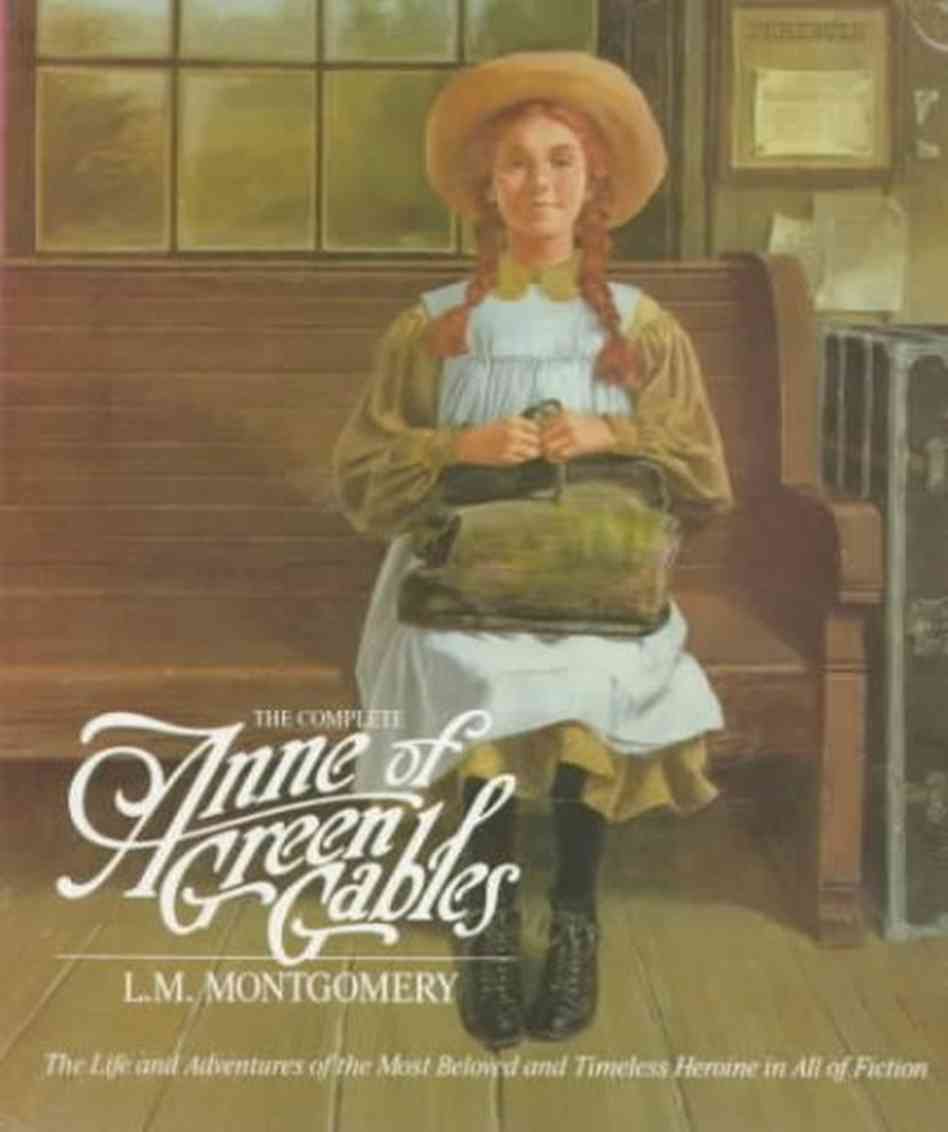
Even if they haven’t actually read the classic book by L.M. Montgomery, people who are at all familiar with western literature or culture will know that THIS is Anne of Green Gables:

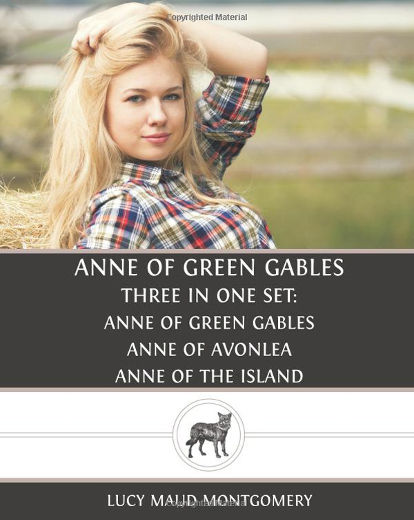
9780553609417_custom-ca4455d0c15d99fc51ea2900942fec2d9c13388c-s6-c10And that this monstrosity, on sale on Amazon.com since November 2012, is most definitely NOT:

1297373144312_ORIGINAL

[If the sexy photo moves you to indulge in some turn of the century Canadian kid’s lit, look no further than right here on Amazon.com!]

I mean, what the hell is going on here? There are two very, VERY big problems with this:

PROBLEM ONE: Anne of Green Gables is a redhead (though amazingly no one at the bookselling giant Amazon.com seems to know it).

Everybody knows that Anne Shirley has red hair. This fact is repeated over and over and OVER in the book. Anne’s redheadedness, and the way she reacts to peoples’ comments about it, is an integral part of who she is. Anne’s red hair is the reason she snaps at Rachel Lynde. It is the reason she cracks a slate over Gilbert Blythe’s head. And it’s the reason she accidentally dyes her hair green (in an attempt to turn it “a beautiful raven black.”). Though in later books Anne’s hair colour does deepen, it becomes auburn, which is really just a fancy way of saying dark brownish red.

Anne was not, is not, and never will be, a blonde.

PROBLEM TWO: Anne of Green Gables is an eleven year old girl.

Anne Shirley is a skinny, poorly dressed, redheaded little orphan girl with big eyes and incredible innocence. She’s also intelligent, studious, and extraordinarily sensitive. She has no interest in the boys in her life except as friends or academic rivals.

She’s certainly no buxom, bedroom-eyed sex kitten leaning on a hay bale.

That any publisher or purveyor of CHILDREN’S LITERATURE would be comfortable with the sexual objectification of the eleven year old heroine of a classic children’s novel is absolutely shocking. It’s like draping Wendy Darling over Skull Rock in a bikini, or letting Alice stomp all over Wonderland in fishnets and stilettos. There are times when adding sex appeal is not the way to sell a product. When the product in question is eleven years old (even fictionally), you know it’s one of those times to keep your sexy thoughts to yourself.

I don’t really have a problem with the young woman in the photo on a personal level. She’s probably just some model who ended up in a collection of stock photos of “girls on farms”. She likely had no idea that her contemporary sexy blonde farm girl photo would grace the cover of a much-loved children’s classic (first published in 1908) about an eleven-year-old girl with red hair who lives on Prince Edward Island.

I do, however, have a big problem with Amazon.com, and their publishing company “CreateSpace Independent Publishing Platform“. I find it amusing that in Amazon’s free preview of the first few pages of the book, the words “Copyrighted Material” appear emblazoned all over the place. As if either Amazon or CreateSpace can claim any ownership of L.M. Montgomery’s actual words. It looks more like they just took a public domain manuscript, didn’t read a word of it, and slapped a foxy cover on it in an attempt to make a quick buck. Which seems to be exactly what has happened here.

It is obvious that Amazon.com, despite being a bookseller and controlling a publishing company, has no knowledge of or love for literature. If they did, they would have read the book they published, realized right away that Anne is very vitally a redhead and a child, and put a redheaded child on the cover (if they needed a photo at all). I had always assumed that in order to be a purveyor of books, a company would actually, you know, know/care about books. Apparently not.

Though I am among the many who feel in their bones that a great crime against literature, childhood, and authorial intent has been committed, in all probability what CreateSpace and Amazon.com have done is okey-dokey in the eyes of the law.  The book Anne of Green Gables and its sequels have been in the public domain for a long time. If a publisher wants to slap a sexy blonde on the cover of it, they probably can. And if Amazon.com wants to peddle that smut, it’s within their rights to do so.

That doesn’t mean they should. Some things are just sacred, and childhood classics are one of those things. I suppose if representing Anne Shirley as a sexy blonde woman is fine, it’s probably equally fine, in terms of legality, to display her in a Nazi SS uniform, driving an SUV and punching a kitten. I’m sure there are those who would find this hilarious or titillating, but they can find that kind of crap on 4chan or on late night television if they so choose.

They don’t need to find it on the cover of L.M. Montgomery’s beautiful childhood classic. And they don’t need to find a voluptuous blonde there either.