Moving out, moving in, moving on

On November 21, 2010, I moved into a sweet little nifty apartment in East Vancouver’s Hastings Sunrise area. I made the move for emotional and financial reasons and my snug little place welcomed me in a cozy embrace of mirrored closets perfect for impromtu vanity dance parties (with or without air guitar) and east-facing windows that allowed my poor little light-starved houseplants to double in size during my year there.

It was also around this time that I started making the necessary changes in my life to allow my poor little timid heart and mind to double in scope and experience and the world around me, when I ventured out of my little Hastings Sunrise nest, welcomed me with new people, new places, support from all sorts of unexpected corners, and a new sense of self I hadn’t had before.

It was quite a year.

Now, a year later, I am moving out. Not because I don’t love my little nest with all my heart. Not because I wasn’t happy there. But for two good reasons:

1: My apartment has been up for sale for quite a few months now. I knew this, and when my landlady called to tell me it had been sold to someone who wanted to move in in December, I was ready to accept that (and of course, I had to, ready or not). I hope the new owner loves her snug little place as much as I did.

2: Regardless of whether the apartment sold or not, it was time to move on. New adventures await me following some recent changes and sometimes that means a new location. I will still be in East Vancouver. My houseplants will still have lots of light. My new place will be pretty nifty once everything is unpacked. But it is time to say good-bye to the nest that cradled me and to create a new kind of home with a new kind of happiness.

Funnily enough, as I was packing up my belongings to move and sorting through what would stay and what should be sloughed off, it was not the loss of my east-facing balcony that saddened me. It was not the loss of my tiny but perfectly proportioned kitchen that made cooking a dream (EVERYTHING was within reach). It wasn’t even losing the neighbourhood with East Vancouver’s best views (visit Wall Street or Burrard View Park if you don’t believe me). The loss I grieved over was an old empty bottle of Blasted Church Gewurztraminer.

It was a bottle an old flame and I purchased in an old life, three years and four apartments ago. At the time, I was collecting wine bottles, and Blasted Church’s labels are certainly worth keeping the bottles around for. This bottle survived every cull as I moved from home to home and until recently had occupied a prized spot in my credenza flanked by William Nicholson’s Wind on Fire trilogy and Neil Gaiman’s Stardust.

When I removed this bottle from the shelf I looked at it for a long time. I looked at the label, a drawing of a priest fishing and a russet-coloured dog standing on alert. I tapped my fingernail on the glass. I woke up a lot of ghosts–old memories and old dreams. Memories of another cold November night, being warm inside with wine, wondering through my blushing haze if this was going to be love (and already being quite sure that it was). Dreaming a lot of things but never dreaming of the life I actually have now. Being another girl, in another time, a 22-year-old who thinks she knows with complete certainty that what she wants in life is just to make rusty carnival-like plays with accordion music in them (and to hell with money!) and maybe, just maybe, that the next time she says “I love you” to someone it will be the last time she ever says it.

Oh my my. I held this old bottle of Blasted Church Gewurztraminer in my hands for a very long time. And then I put it in the recycling box, with some empty yoghurt containers and last year’s Maclean’s magazines. I suppose before I dump all the stuff out in the blue bin I could go back, reach in, rescue the bottle, take it with me and keep it for memory’s sake.

But I won’t. I’m full of memories already and I’m making new ones everyday. Rescuing a symbol won’t rescue the dreams that have already run their course and that’s okay. That’s growing up. That’s movement. That’s a fine thing to smile over someday when I have children perhaps and they are sad when they realize they don’t really truly believe in fairies anymore. Impermanence is what makes it all so enchanting.

And whether my fairies are “really truly” or not, I live an enchanted life. Not always the way I thought I would, or where I thought I would, but a new home beckons. A new life to build that promises incredible things. Time to move out, move in, and move on.

Remembrance, Action, and Inaction: Thoughts inspired by “Re:Union” at Pacific Theatre

Last Friday (which was Remembrance Day in Canada) I had the privilege of waking up in a warm apartment, grabbing a bowl of Cheerios, and cozying up under a blanket on the couch as I settled in to watch the Ottawa Remembrance Day ceremonies on CBC. I say I had the privilege to eat Cheerios like a slob in front of the TV dressed in my PJs because it is days like Friday that remind me that each and every part of my working-to-middle class Canadian life, even the less glamorous parts, are things I am privileged to have.

I am also privileged to live in Vancouver, a city where the theatre community, though comparatively small and green, is still able to produce and share art that plays a role in reminding me not only of the privileges, but also the responsibilities, of living the relatively charmed life I lead. Sean Devine’s “Re:Union”, a co-production presented by Pacific Theatre and Horseshoes and Hand Grenades, which I also had the privilege of watching last Friday, was an excellent example of art’s ability to aid in the process of remembrance.

Many people (myself included) often view remembrance at this time of year as a passive act, a time for tucking a poppy into our lapel, turning on the CBC, and turning our thoughts momentarily to a time when sacrifices and hardship were daily widespread Canadian experiences. We sometimes forget to remember that Canada is currently a country at war, or to remember that we have a place in the history we are constantly creating.

“Re:Union” is inspired by the little-known story of Norman Morrison, an American Quaker who could no longer think passively on the sufferings of others. Feeling he had been called upon by a higher power to act, on November 2, 1965, Norman Morrison drove to the Pentagon with his baby daughter Emily. Norman doused his body in kerosene and set himself alight, a horrifying protest against the horrors of the war in Vietnam. Norman Morrison burned to death that night under the office window of Robert McNamara, Secretary of Defense. Devine’s play presents these facts but also takes us 36 years into the future, as Norman’s now-adult daughter Emily confronts McNamara, blames him for his inaction in failing to stop the atrocities of Vietnam, and asks him to bear witness as she plans to protest the policies of the post-9/11 Bush Administration.

The play was beautifully understated. I was given no black, no white, no rousing call to arms. I was given complexity. I was given honest, challenging, and contained performances. I was given questions: Is there a higher power than our own ethics? Is merely trying to reduce and control civilian casualties in our military actions enough? Is inaction an act of compliance with oppressive forces? What about extreme action that costs dearly but ultimately yields no results?

In “Re:Union”, it is Emily I most identify with. I am not a martyr. I am not a high-powered bureaucrat or politician. I am a person who cares about her world and is chafing constantly against her own inability to act. When I am called to remember I remember with my whole heart but in the end, usually, any action I take is perfunctory at best, enough to tide me over until the next news story, the next conversation, the next play, the next November 11.

In Devine’s play, Norman Morrison’s act of protest is prefaced by stillness, rooted in the Quaker belief that if one remains still, one will receive the Divine. Emily Morrison’s ultimate inaction is prefaced by movement: by research, video diaries she makes of herself, confrontation with the ornery McNamara, and the act of remembrance. Neither of these individuals stopped any wars. But they were Davids without a sling, against a Goliath with tanks. To have that expectation of them is to simplify a world we know to be more complex: a world of actions having chain reactions, the consequences of which are not always immediately visible. A world where “all or nothing” competes with “every little bit helps” and those of us who care are constantly stuck in an almost paralyzing negotiation between the two.

Beneath the action that cost too much and the inaction that seemed to cost far more, Re:Union tells the story of a father and a daughter, a legacy of love and remembrance and a responsibility to the world that can be as big as one’s responsibility to their Maker, or as small as their responsibility to the truth about themselves and their own personal history of action and inaction.

If you would like more information about Pacific Theatre’s 2011/2012 season, please visit their website: www.pacifictheatre.org.

Information about Horsehoes and Hand Grenade’s latest projects can be found at: www.horseshoesandhandgrenades.ca.

European Travel Nifty-style: Some Recommendations

Porto, Portugal

Howdy Travel Fans! NiftyNotCool here, back in Canada and feeling fine. I survived a month of hostel living, train riding, and living out of a backpack, and I managed to tear myself away from the charms of Portugal and Spain and return to you all to give you my recommendations for European travel Nifty-style (lucky you!).

I. Preparations

Guidebooks: I bought a Lonely Planet for Portugal and also one for Spain. At first they felt a little pricey (about $30 a pop) but they were absolutely invaluable. A lot of train and bus stations don’t actually have a tourism office or provide free maps of the city you just arrived in. Even though the maps in the books are rather small, without my Lonely Planet there are a few times I would not have found my hostel, the train station, the site I was looking for, etc.

I also stayed in Lonely Planet recommended hostels and hotels through most of my trip and I was not disappointed in them. They were clean, safe, usually centrally located, and, because they were recommended in the Lonely Planet, they helpfully appeared on the Lonely Planet maps.

Because I didn’t know all that much about that places I was going, my guidebooks were also invaluable in helping me plan my trip and decide where I wanted to go and what I wanted to see. They give an overview of regions, history, language, transportation, accommodation, safety, and just about anything else I would wonder to myself about the country I’m visiting. Even if you get to a place and decide to just wing it, get a guidebook. I consider mine practically life saving.

Travel insurance/travel medical: I got mine through World Nomads (recommended by Lonely Planet of course) and it only set me back around $150 for four weeks. Whichever company you decide to become insured with, do become insured. I think lots of people like to think nothing will ever happen to them, and usually nothing does, but when I was sick in Madrid I remember thinking that if I got much sicker I would need a hospital (because I simply couldn’t take care of myself in a hostel) and I was so glad that I had insurance and therefore had that option.

Passports: I usually renew mine as soon as it expires. It’s a good idea because they can sometimes take a long time to obtain/renew and you don’t want to have a whole trip planned and be worrying you won’t receive your passport/visas in time. As a Canadian and British citizen, I did not need a visa for EU countries.

Itinerary: I didn’t completely plan out everything I did, but I do think it’s a good idea to at least narrow your travels down a bit. For me, having an abundance of choice is paralyzing. Once I decided I wanted to work Portugal north to south, and then focus half of my Spanish adventure on the Andalucia region, it was far easier to choose the specific cities I wanted to stay in and the things I wanted to see. Which makes it easier to pin down accommodation, transportation, etc. down the road.

If you do want to try to get off the beaten path and out of the cities, make sure you do your research ahead of time, and make sure you won’t need a car, a certain time of year, etc. to access the nature you’re trying to see. This will save you a bit of heartache and quite a big headache.

Documents: I made sure I brought my flight itineraries and my statement of insurance with me. I also brought photocopies of my passports and credit card, along with the number to call if my credit card was stolen. I left a copy of all of these documents with my TC as well, just in case the bag these documents were in was stolen. I have also heard of people keeping a photocopy of their passport in their shoe, but I did not do this.
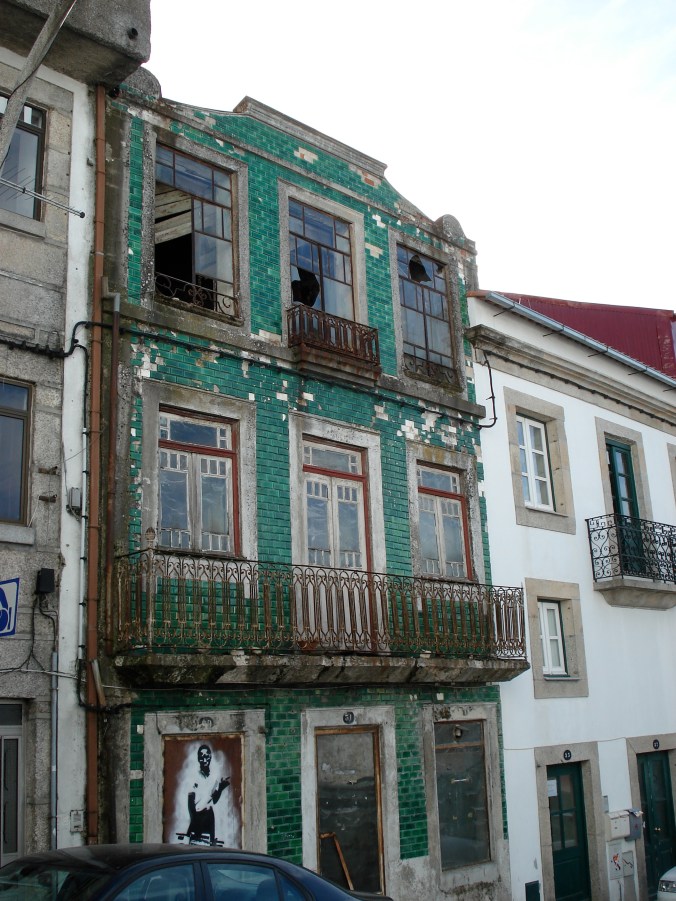
Guarda, Portugal

II. Packing

The pack: First things first– If you’re going to be living out of a backpack for a few weeks like I was, you should have a good backpack. Schlepping 40 lbs. around the Iberian Peninsula sort of took it out of me and I was incredibly happy I’d shelled out the money not only for a swanky Osprey backpack with a zip-off day-pack, but one that was a women’s size small (because I am a small woman). The fact that the bag was well-balanced and fit me properly made a huge difference in how easy it was to lug around.

The stuff in the pack: It’s a family joke that I am a terrible packer (like the time I brought only one t-shirt on a trip to the Rockies in the heat of July because “the mountains are cold”). Thanks to some consultations with them pre-trip I was actually able to do a pretty decent job packing this time round. I checked the weather in Portugal and Spain beforehand and saw it was going to be unseasonably warm, but it’s good to be prepared for anything. I brought one pair of long pants, two pairs of capri pants, and one pair of shorts. I also brought two sweaters, two long-sleeved shirts, four t-shirts, and four tank tops (given how hot it was for parts of my trip I’m glad I had the option to change my shirt often). I brought a pair of hiking shoes, a pair of walking sandals, and (at my sister’s insistence) a pair of flats to wear to nicer places, like the flamenco restaurant I went to in Madrid. I brought pajamas, one dress, a bathing suit, my Hat With A Brim, and a windbreaker jacket. AND underwear and socks of course. I must have done a good job packing this time because I wore everything I brought except one exceptionally fluffy pair of socks, and there was no article of clothing I regretted leaving at home. And all of this fit into my pack, which I managed to carry around with me for four weeks. So congratulations me.

My major packing regret is that I did NOT take my student card, which would have saved me almost 50% at some tourist sites. Sigh.

III. Transportation

Air travel: I can’t really say much about the actual booking of flights because I am a little sucky-poo and I have a mother who is really good at finding cheap flights and she booked my flights for me. I flew cheaper airlines because I’m not made of money but I do have this to say:

Thomas Cook Airlines (the airline you get when you book with Air Transat to London) is terrible. The seats are tiny and incredibly close together (I pretty much felt like a chicken in a crate for 10 hours). Every seat had a black electrical box mounted underneath it, leaving no room for your carry-on (or your legs). The seats did not recline, not because they were broken, just because they didn’t. Words cannot describe how disgusting the food was. Terrible airline food is a cliche but this really hit new lows. Not only was it all, without exception, revolting, the portions were tiny. Basically, they give you enough food-like substance to legally claim they didn’t starve you. And that’s all I’ll say about that.
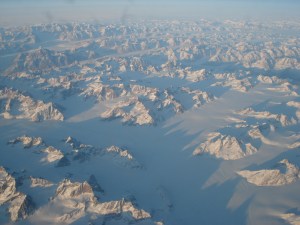
Greenland (I think)

Condor airlines (the cheap airline I flew back from Frankfurt with following my connection from Barcelona) is, by comparison, fantastic. I didn’t get my own TV, but that does mean my feet actually got room. The seats were a little larger, and reclined. For our “hot meal” we received a cole slaw, a large vegetarian lasagna, a roll with a triangle of real Camembert, and a lemon square. Oh yeah, and a complementary alcoholic beverage (I declined) and all the fruit juices were REAL juice. Then we got a snack and more juice. Then for our “cold meal” a breaded chicken cutlet, potato salad, and rye bread. I know I’m gushing a bit much for a charter airline but compared to Thomas Cook it was absolute heaven. Flying over Greenland and seeing a landscape that was simply pure untouched snow as far as they eye could see was pretty great too.

Train travel: The train is a very civilized and pleasant way to see Europe. My train days allowed me time to relax (i.e. have a nap), slow down, and think grand thoughts while watching beautiful countryside fly by. It’s more expensive than busing though (in some cases a LOT more expensive) which is why I bought a Eurail Pass.

The pass was rather convenient, but in the end I don’t really think the Eurail Pass saved me much money. I bought three travel days in Portugal and six in Spain, but only used four of my Spanish travel days. To use a Eurail Pass properly, you really have to make sure you are going to be covering a lot of ground, and plan your trips carefully. I overestimated the amount of travel I’d be doing and ended up making day trips just to use my pass. Since you have to pay in Spain and Portugal to reserve seats on trains anyways, even with your pass, if you aren’t making many trips you may as well just buy individual tickets for the journeys you want.

Bus travel: Bus travel is MUCH cheaper than taking the train and the bus usually reaches more locations. Being a romantic, I definitely preferred the train but I enjoyed the three bus journeys I did take during my travels and both Spain and Portugal seem to have rather good long-distance bus services.
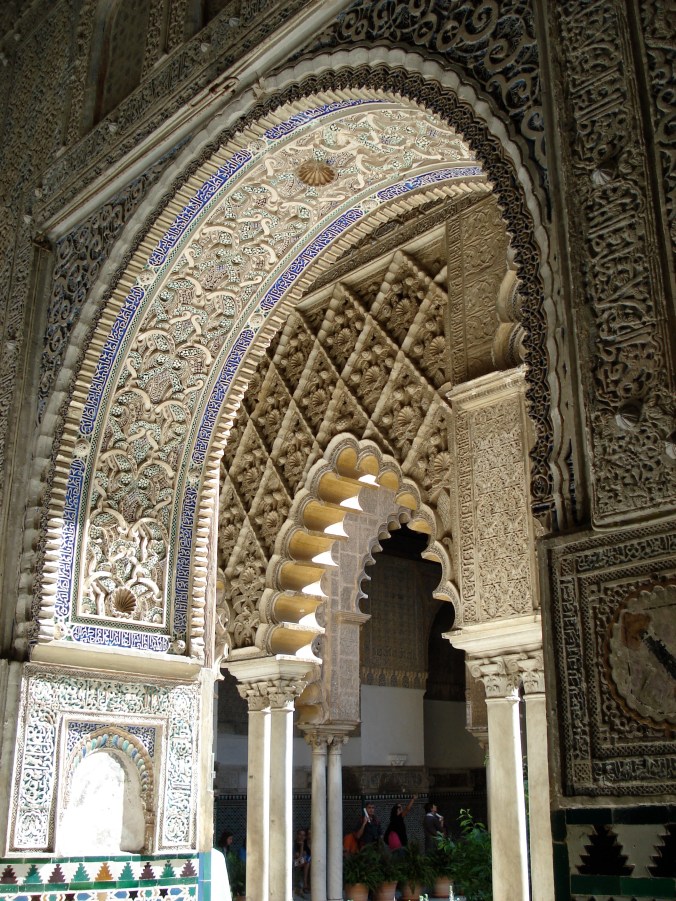
Real Alcazar, Seville, Spain

IV. Accommodation

Hostels: Most of the time, I looked to my Lonely Planet for accommodation recommendations (the Madrid hostel where I saw bedbugs was NOT a Lonely Planet suggestion). One hostel group I can certainly add my thumbs up to is Oasis. (I stayed in the Oasis Lisboa, Oasis Sevilla, and Oasis Granada.) These hostels were slightly pricier but they all included breakfast, free access to wi-fi and computers with internet, and safe storage (the first two had electronic safes and Granada had a locking cupboard). They had cheap food in the evenings, cheap booze, kitchens, and information about all sorts of tours, activities, and sites. The friendly atmosphere helped me meet a lot of cool people and I was probably more social and had more fun in these hostels than anywhere else.

Because I was travelling solo, I really appreciated hostels not only for their affordability (they’re SO much cheaper than staying in hotels I’m really not sure how anyone my age could afford to travel without hostelling). but also so that I didn’t have to spend my entire trip eating alone and talking to myself. That would have been quite lonely. I also appreciated the informative and helpful staff I encountered in most places I visited who could provide me with maps, tours, admission booking, and transit info.

What to bring if you are staying in a hostel: I am glad I brought a luggage lock (my combination lock was too big for all of the lockers I encountered), a flashlight (there’s ALWAYS someone asleep in the hostel room, at all times it seems), a travel alarm clock (no wake up calls in hostels!), and a facecloth (works as a towel when you don’t have one). I’m also glad I brought camp laundry detergent so I could wash things by hand. I wish I had brought a travel towel, a better luggage lock to use on the lockers, and a pair of flip flops to wear in the hostel showers.

Granada, Spain

V. Food

I believe that eating is a very personal experience, so my recommendation for food is simple but mighty: go to a grocer or a supermarket, buy food (esp. fresh fruit which I found an abundance of in both Spain and Portugal) and have some food and water with you at all times. There’s nothing as tiring and frustrating as trying to look for a good restaurant or cafe when you’re already so starving you’d eat at McDonald’s even though you’re in an exciting new city. So take food and water with you so you can hold out for an eating experience you really do want (P.S. I never did eat at McDonald’s thank the gods).

VI. And one last recommendation…

Travel itself: I recommend it. If you want to go, I recommend that you go. If you are scared to go, I recommend that you go. For some (like me), the idea of four weeks of solo travelling in Europe would be daunting. For some it would be no big deal. And that’s fine. The journey is personal, it’s what you make of it, and for me it was exactly the balance of challenge and security I needed.

This was the right trip at the right time. The reasons I had for going changed as I planned, but the good I knew it would do me stayed the same. I returned to Vancouver not disappointed with the city and the cold as I expected I might be , but rejuvenated and able to see the beauty of my West Coast life afresh. The thing I had hoped to find on my journey was right here where I left it, right where I hoped it would be. And that’s worth searching for.
Beautiful Barcelona, Figueres, Good-bye

“Beautiful Barcelona!”

It’s a cliche phrase I know I’ve heard somewhere before and I was hesitant to use it. And then I thought, what the hell, it’s cliche because it’s true. Barcelona is beautiful. This is what struck me about the city. It’s actually a bit small, a bit crowded, a bit touristy, but my god, it is beautiful. Emerge from the Metro–beauty. Duck into an alley–beauty. Turn a corner–beauty. And that’s when you’re not even looking for it, so imagine the gob-smacking beauty you encounter when you actually make the effort to go to a park or a touristy site.

My relationship with Barcelona began as anything but beautiful. When I climbed out of the Liceu metro station onto La Rambla it was pouring rain. This rain became even harder once I checked into my hostel (located most conveniently right in Placa Reial, though I was too dejected at the time to notice). I knew it would be a bit hard to return to a hostel after my two nights at the Holiday Inn in Madrid, but I was unprepared for how hard I’d actually take it. The internet in the hostel was expensive. The hostel was a party hostel and all I could hear when I checked in, tired and hungry, was noise noise noise. The hostel didn’t rent towels, just sold them for 10 euros. My trip almost over, there was no way I was going to spend 10 euros for a giant towel I didn’t have the room to bring home again, so I was forced for four days to dry myself with the Doctor Who facecloth I had bought as a souvenir in London (it has a picture of a Tardis on it, and, Tardis-like, there was more to this tiny flannel than met the eye because it actually did not half badly). And to top it all off, I couldn’t even escape the noisy stupid no-towel hostel, because outside it was raining and thundering and being as miserable as I felt.

Basically, at that moment, I was emotionally done with my trip. I didn’t want to spend five more nights in Barcelona, I wanted to go home. To hell with the Sagrada Familia and the pretty streets. I wanted my kitchen and my bed and my glorious bathroom filled with glorious towels.

Luckily for me, all storms pass over and my emotional one subsided as soon as I met some people from my room, ate a decent dinner, and spent the better part of the evening discussing the finer points of Harry Potter with an Australian and a Brit (note: Dobby would win in a cage fight against Dumbledore). Fun fact: the Brit is a boom operator on Coronation Street! Wow!

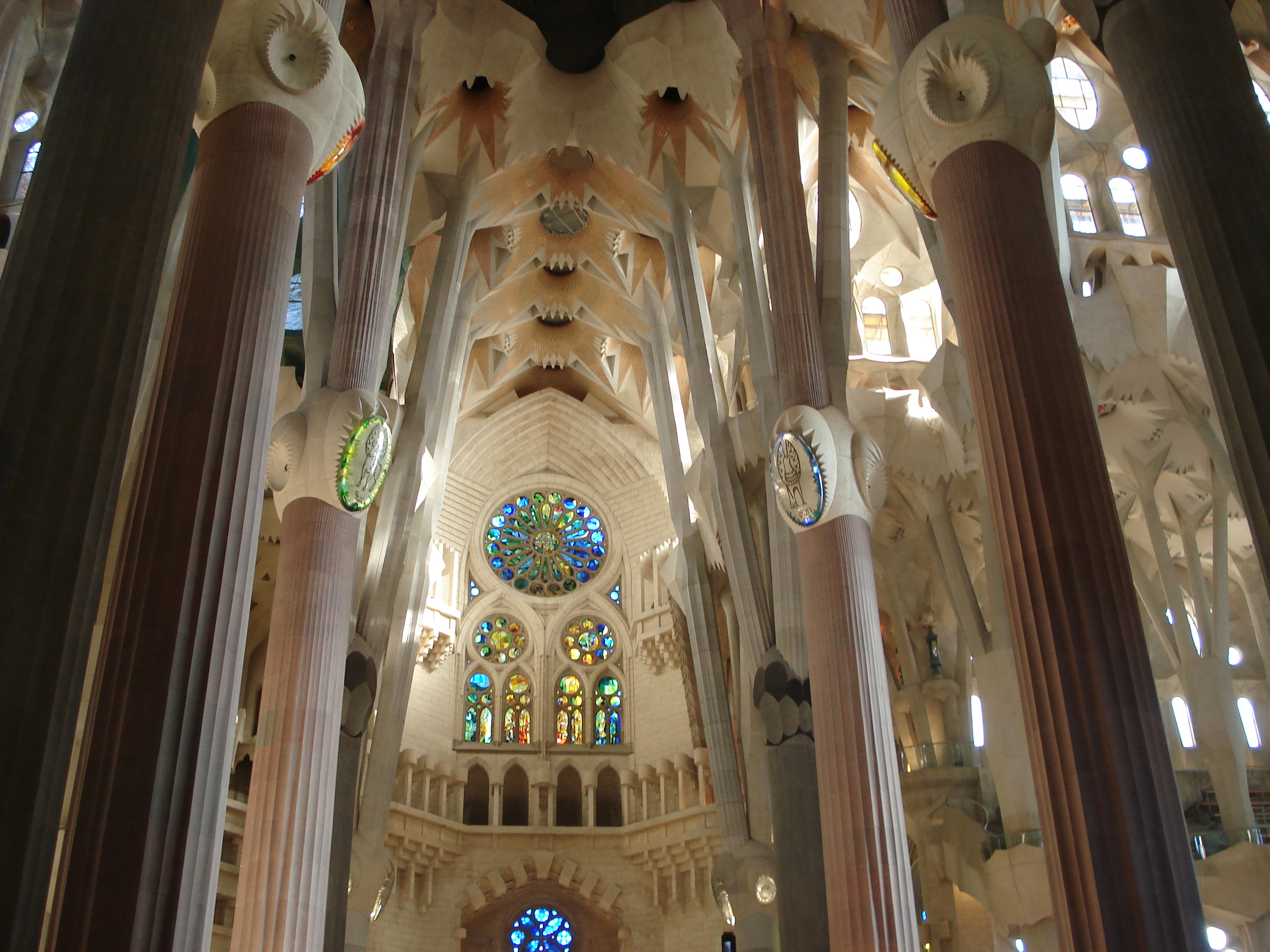
On Tuesday morning the sun came out and I am sure glad I didn’t say to hell with the Sagrada Familia because it is the most beautiful building I have ever seen. From the outside it looked pretty cool, I mean, I’d certainly never seen a church before that replaced gargoyles with giant lizards, but it is also still under construction and cranes and scaffolding sort of take away from the general splendor. Waiting in line, I was impressed but wasn’t really sure what the church’s insides would hold.

Sagrada Famila, Barcelona

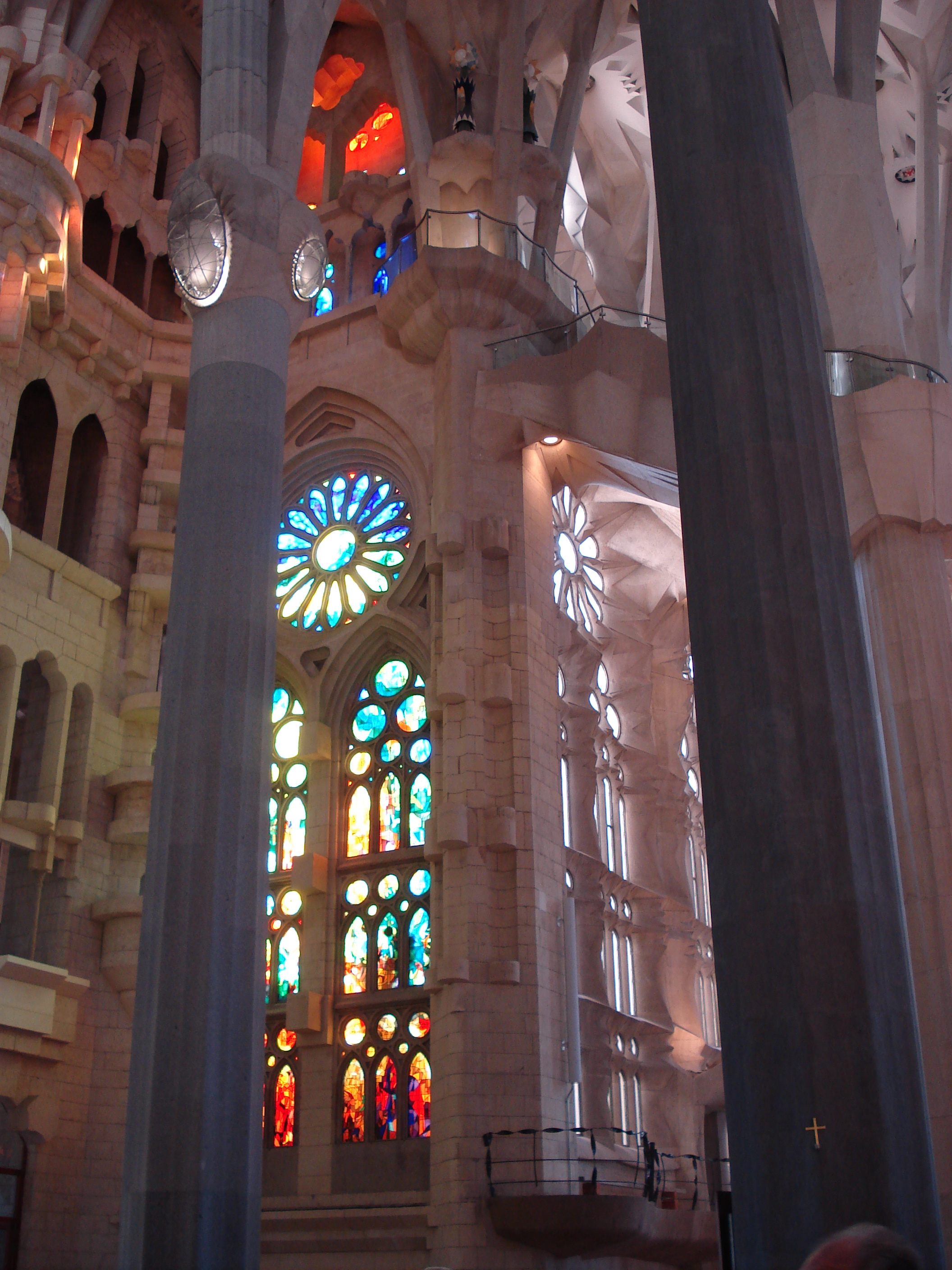
Beauty. Exquisite, unconventional, organic beauty. The Alhambra was beautiful, but the Alhambra is heavy and saturated with luxury and tradition. The inside of the Sagrada Familia is a surprising forest of pillars and light. It is open, it is airy, and it is incredibly incredibly joyful. Even the crucified Christ is suspended beneath a circus-like tent hung with grapes made of glass, and bathed in so much natural sunlight that it makes his predicament seem, again, joyful. Each angle inside the church reveals a whole new sense of wonder. The architect, Antoni Gaudi, carefully studied natural supportive structures formed by mineral crystals and plant growth in order to create his designs, and it shows. The Sagrada Familia does not feel built, or human-made. It feels like it grew. I met people in my travels who saw the Alhambra and were unaffected, but I have not met one person who has seen the inside of the Sagrada Familia whose eyes do not light up when retelling the experience.

I soaked up every bit of the church that I could, visiting all of the museum areas (highly recommended, especially the exhibit relating to Gaudi and nature) and taking the lift into the towers. I decided that after my Gaudi morning I wouldn’t mind a Gaudi afternoon so I made a point of visiting Barcelona’s Park Guell, a park designed by Gaudi whose gates are flanked by two Hansel-and-Gretel style houses. It is an interesting and very pretty park (and free!), and I was pretty much obsessed with everything Gaudi at this point, but the place was crawling with tourists and illegal souvenir vendors and after the devout and tranquil beauty of the Sagrada Familia it was a bit anti-climactic.

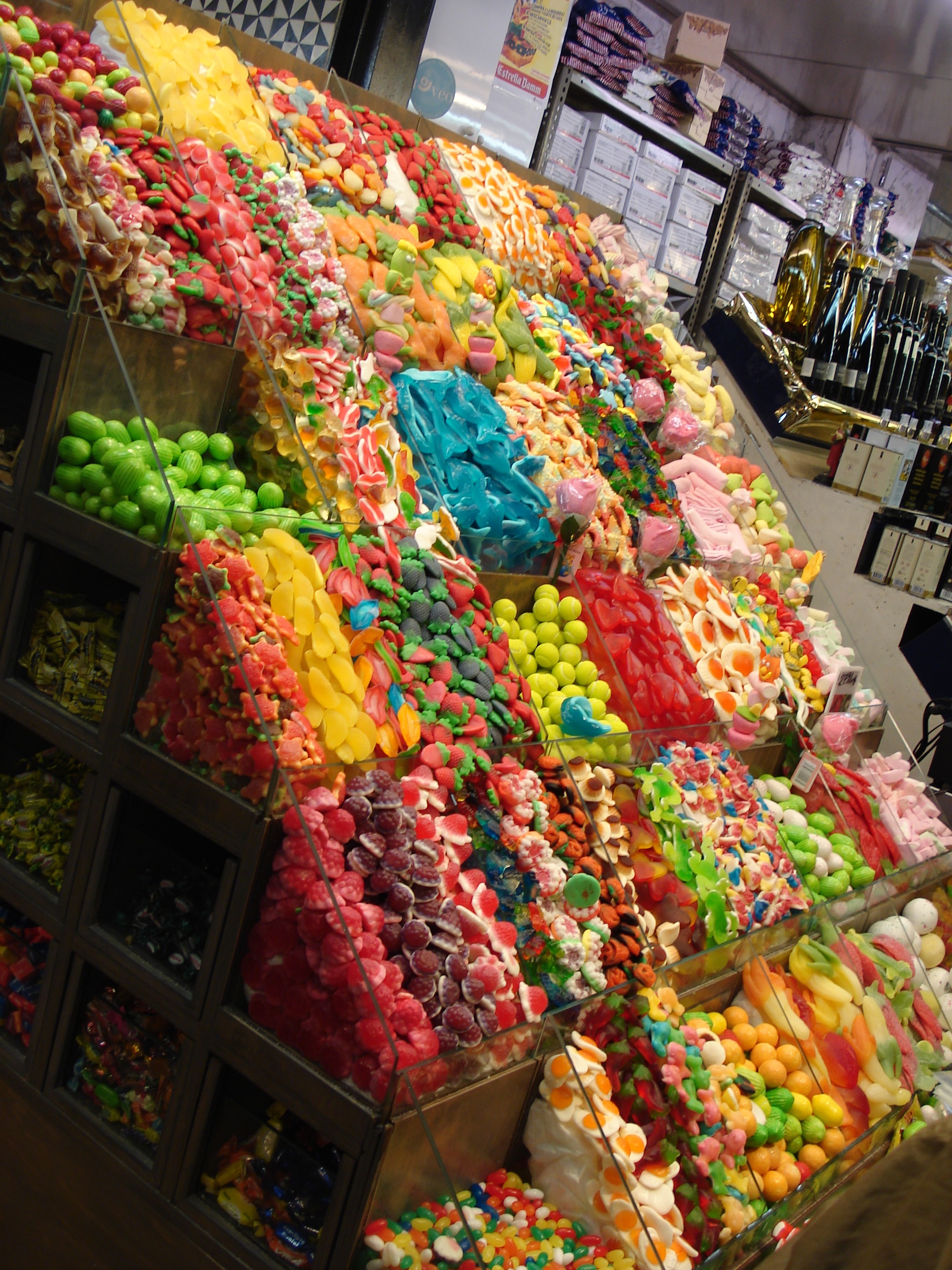
Candy stall in La Boqueria

The Sagrada Familia and the Park Guell were my only real goals for Barcelona, so on Wednesday I made loose plans for myself (the best kind of plans when travelling) and basically wandered around all day loosely achieving them. I wanted to check out the beaches of La Barceloneta so I wandered down there and did that. Kneeling on the shore to touch the Atlantic a giant wave came and soaked my sandals so I was forced to sit on a beach chair and read in the sun for half an hour while they dried off (poor me!). Got lost and wandered around some more, ate a doughnut, bought some fruits and vegetables at La Boqueria (St. Joseph’s Market) just off La Rambla. Ate a muffin and read a TIME magazine.

Parc de la Ciutadella

Wednesday afternoon: visit the Parc de la Ciutadella. Lovely fountain. Inexplicable giant statue of a woolly mammoth. Another pond with rowboats. Ducks. And then, music. Two guitarists sitting under a tree playing extremely well. Someone on the grass saw me watching and waved me over. When they found out I could sing I was brought to the guitarists and we had a magical musical hour or so. We sang the Beatles. We sang Bob Dylan. We jammed (vocal improvisations on my part…not my finest moment probably but I did my best). I think our best numbers were “I Will Survive” and “Eye of the Tiger” with amazing guitar solos courtesy of Pedro, a Venezuelan who moved to Barcelona ten years ago and was, the day I met him, on day four of being sober and delighted to discover he could play the guitar without alcohol. While I couldn’t quite shake my self-conscious caution throughout our jam session (I never took off my backpack) and insisted on excusing myself as soon as it began to get dark, jamming with these open-hearted musicians, total strangers to me, was a new and wonderful experience. If you know me you’ll know that while I am loud and talkative with those I know, I’m actually a little frightened of those I don’t. Opening myself up and being brave is actually something I’m a little bit proud of.

I knew that Thursday would be rainy so instead of spending it in the hostel or tramping around Barcelona pretending not to mind being wet and cold, I took the train to nearby Figures to see the Teatre-Museu Dali, the museum Salvador Dali built in his home town. My two-hour train ride also gave me lovely views of the interesting (and old-looking) city of Girona, which I would love to explore sometime.

Painted ceiling, Teatre-Museu Dali

I am a fan of Salvador Dali’s paintings and jewellery and I enjoyed those displayed in the museum (for example, I was surprised, though I shouldn’t have been, to realize that “Atomic Leda” is obviously a painting of Dali’s wife, Gala, with whom he was artistically obsessed). I am not sure I like the museum itself. Housed in Figueres’ old theatre, the passages between the rooms were narrow and crowded and many of the spaces seemed cluttered and full of installation-type art that felt….junky. As if you hung Dali’s paintings in a gallery space and then you had your tacky “artsy” grandmother fill the rest of the space with old brocade, velour, and stuff she found in her garage.

Mae West Room, Teatre-Museu Dali

Do I think my trip to Figueres was a waste? Nope. If I hadn’t gone I would have wished that I had. Besides, captivating art is captivating art no matter how you feel about its surroundings. (By the by, Figueres also has a Toy Museum, which, if you’re looking for something to tack onto your day in the city, is a cute, and kind of creepy, attraction.)

Friday was my last full day in Barcelona and I decided to check out of my loud crowded party hostel and check into the super pricey Hotel B, just off the Placa Espanya (right near a stop for the airport bus) for my last night. Before I did that, though, I visited the beautiful Santa Maria del Mar church. I sat in a pew and stared at the stained glass oriel window above the altar for a long time and thought many thoughts. I thought about the past year and those I have lost. I hoped that wherever they are, if they are anywhere, that they have peace. I thought about the people I know who are struggling with difficult circumstances and I hoped that those things would get better. I thought about the trip I had taken, and how lucky I was that I had the opportunity to travel for a month on my own, how lucky I was that I had been safe and, for the most part, my plans had worked, and how lucky I was that I was going to return the next day to the people who loved me.

I do not practice any faith. But I do like a nice, quiet place to reflect once in a while and an old Barcelona church did the job nicely. After four weeks of constant movement to return to a point of internal stillness and contemplation helped prepare me to say good-bye to my adventure, good-bye to the beautiful city that had been so good to me, and say hello to my old life as the new person I have become, a person who is older now, more independent, less anxious, and has more beguiling images stuffed in her memories than anyone should be allowed to have.

So until we meet again, my beautiful bewitching Barcelona, gracias. Thank you so very much.

View from my hostel room, Placa Reial

Madrid: A Tale of Boos and Yays!

Boo: Waking up in Granada on Thursday morning and throwing up all the lovely Moroccan food I ate the night before.

Yay: Making it on time to the train station anyways and having a solid nap on the train.

Boo: Having to wait an hour and a half at the hostel before my friends from Canada (whose paths I was crossing in Madrid) arrive.

Yay: Meeting a man named Ricardo in the hostel lounge who speaks only Spanish and French and actually using my French to have a half-hour conversation with him, albeit a very limited one. (“Ne sont pas cher!” I exclaim as we look at his souvenirs, because I can’t remember the word for cheap. “Magnifique!”).

Boo: Still feeling too nauseaus to really eat dinner or enjoy walking around the city with my friends.

Yay: Eating dinner and walking around the city with my friends. It’s nice to have them there.

Boo: Waking up on Friday and throwing up again.

Yay: Free and very bland hostel breakfast that makes me feel much better.

Boo: The Spanish Civil War. It was very bloody and lots of people died on both sides.

Yay: Informative, educational, and enjoyable Spanish Civil War walking tour. Did you know that Madrid was the first city to be blitzed (that’s right, the Nazis tried out blitzing in Madrid BEFORE WWII)? You do now!

Boo: Madrid’s glaring lack of monuments to the Republican (i.e. non-fascist) victims of the Spanish Civil War (not surprising given the decades of Franco rule that followed, ending only with his natural death).

Tempe Debod, Madrid. Bigger inside, "Tardis effect".

Yay: The Egyptian Temple Debod, which is full of cool things like heiroglyphics. It is the only Egyptian monument to be gifted to a European country (as in, all that stuff in the British museums is STOLEN!), for Spain’s help in preserving Egyptian monuments during the building of the Aswan Dam.

Also Yay: Ice cream and row boats on the large pond in the Parque Buen Retiro. Also yay to singing Canadian sea shanties while rowing (such as “Farewell to Nova Scotia” and “I’se the B’y”) and my friend Kayleigh’s siren song, performed while lounging siren-like at the prow: “Come to me boys/ Come into my lair/ I love you so much/ La la la la la!/ These rocks aren’t very sharp at all/ They’re actually very rounded/ La la la laaa!”

Rowing ´round Buen Retiro

Boo: Still not feeling up for drinking while on tapas/Flamenco tour.

Yay: Having a great assortment of tapas (with chorizo and goat cheese and potatoes with garlic sauce and fried hollandaise balls) at a nice bar while on tapas tour, and then moving on to a Flamenco show.

Boo: Pillar that blocks my view at Flamenco bar.

Yay: Actually seeing a Flamenco show and NOT getting kicked out, and seeing a show with dancing this time! Feel the fire! Feel the passion! Let’s just say if everyone behaved the way these people dance all the time, the streets would be red with blood. Epic.

All in all, Friday was a great day in Madrid. And then, just as I am laying myself down to sleep……

BOOOOOOOOOOOOOOO: Bedbugs! Ew ew ew! Crawling next to my pillow.

Yay: Checking out the very next morning (after checking my pjs for more bugs and finding none) and heading out to spend the next two nights in the Holiday Inn Express – Alcobenda. Luxury!

Boo: Me being too careless to write down the actual address of the Holiday Inn, or drawing us a map, or anything. Showing up at the metro station in Madrid’s equivalent of industrial South Burnaby with no idea where you’re going is silly indeed.

Yay: Helpful taxi driver who saw us wandering around being lost. He goes into a gas station, gets directions to the hotel, and takes us there. Gracias, senor!

Boo: LONG metro ride back the centre which means we will need to take an expensive cab back after Saturday night dancing.

Yay: Free afternoon at the Reina Sofia art gallery.

Boo: The destruction of Guernica and death of its citizens during the Spanish Civil War.

Yay: Picasso’s “Guernica” (it’s huge) and the preparatory sketches also on display at the Reina Sofia. The piece is full of movement and grief and, in comparison to some of his sketches, surprisingly subdued. He was searching for exactly the eyes, hands, tongue, etc. that would best show the horror of that night, and the exploration next to the final painting is very interesting.

Boo: Paying 20 euro admission at Club Kapital, where they throw away not only my water and juice at the door, but also my baguette, for some reason.

Yay: Dancing in a massive club in Madrid on a Saturday night, a club so big and crazy it has exotic dancers on a stage and a sound and light show that rates about as epic as a “Pirates of the Caribbean” film, and silver confetti, and seven floors, AND some kind of crazy machine that blasts the dance floor with ice cold air every once in a while that makes you think the world is ending but completely rejuvenates you for more dancing!

Boo: Realizing on Sunday that my shins hurt and I’m tired of walking.

Yay: Riding the Teleferic cable car over the city! Wheeeeeeeee!

Boo: The first rain I’ve seen my entire trip.

Yay: Getting to spend a lot of time indoors at the Prado (fine art gallery) where I enjoy the Titians and Goyas but mostly the painting known as “The Garden of Earthly Delights” by Bosch.

Boo: Final night in the awesome comfort that is the Holiday Inn and having to say good-bye to my friends while we continue our separate journeys.

Yay: Heading onwards to beautiful Barcelona! Stay tuned…

Granada: the Sierra Nevada and the Alhambra

As a lone traveller without a car, it can be very difficult at times to escape the trap of simply travelling from city to city to city without ever escaping into the countryside. My heroic attempts at hiking in the Serra da Estrela in Portugal had come to naught and although I knew that the Sierra Nevada mountain range rose up behind the city of Granada, I had no plans to visit it.

This is where the awesome organization at the Oasis Granada hostel comes in. On my very first night I saw that a trip to a thermal pool outside the city was running that evening for 12€ so I hopped aboard. I have no idea where exactly we went, or what the pool was called. All I know is that we bumped along unholy roads before being dropped off, in total darkness, at the pool. It was warm, the stars were bright, some nice folks from my hostel shared their beer with me, and I had an interesting and relaxing evening (my evening made more interesting by a group of men whose actions I will perhaps recount someday as The Tale of the Naked Frolicking Spaniards). Then it was back into the too-full van, back onto the unholy roads, and back to the hostel, where I discovered a layer of bright red clay now covered me and my bathing suit. In some ways, though I’m sure I was completely safe the whole time, the experience felt so weird I’m just glad we all returned unscathed.

Sierra Nevada, Spain

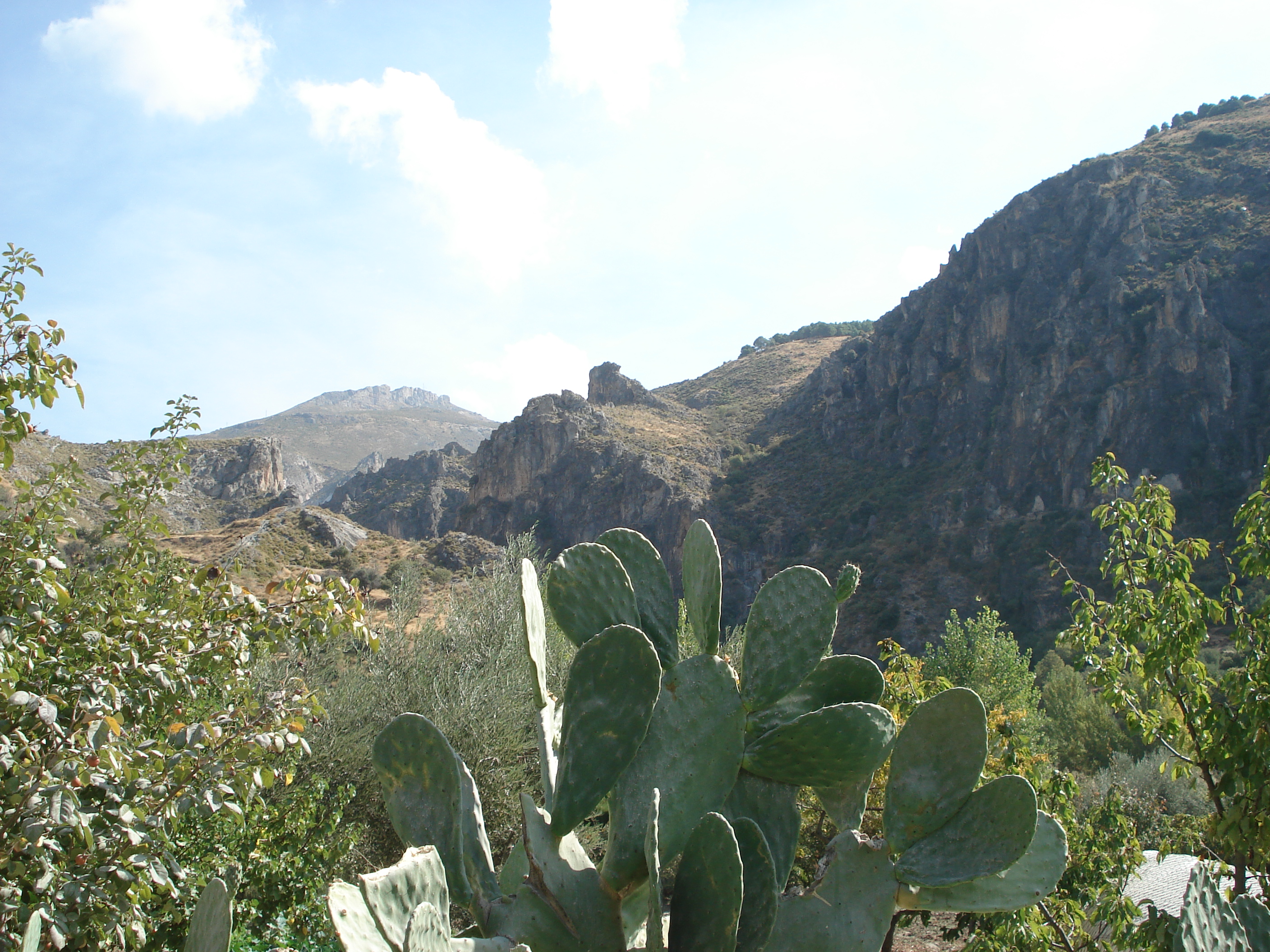
On Monday, on a whim, I decided to join up with a walking tour into the Sierra Nevada. I am so glad I did. Our guide took us on the bus to a little mountain village called Monachil and from there led us on a hike into the mountains, over wood and cable bridges, through a gorge, into a gorgeous valley with the red cliffs of the Sierra on all sides, and back again with a stop at a small waterfall. I’m glad I had good walking shoes because the hike was a little more intense than I had anticipated: crawling almost on my hands and knees under rocks, walking on an embankment so narrow that where the rock face hung over the trail there were handles put into the rock so you could lean back over the river and navigate around the rock without falling backwards. The landscape was impossibly rugged and wild and beautiful, with cacti, boulders, and a backdrop of blue sky everywhere you looked.

Such is the artistry of Mother Nature.

If you are interested in human artistry, Granada can certainly provide it in the palaces of the Alhambra, the city’s most famous landmark:

Oh. My. Stars. It was beautiful.

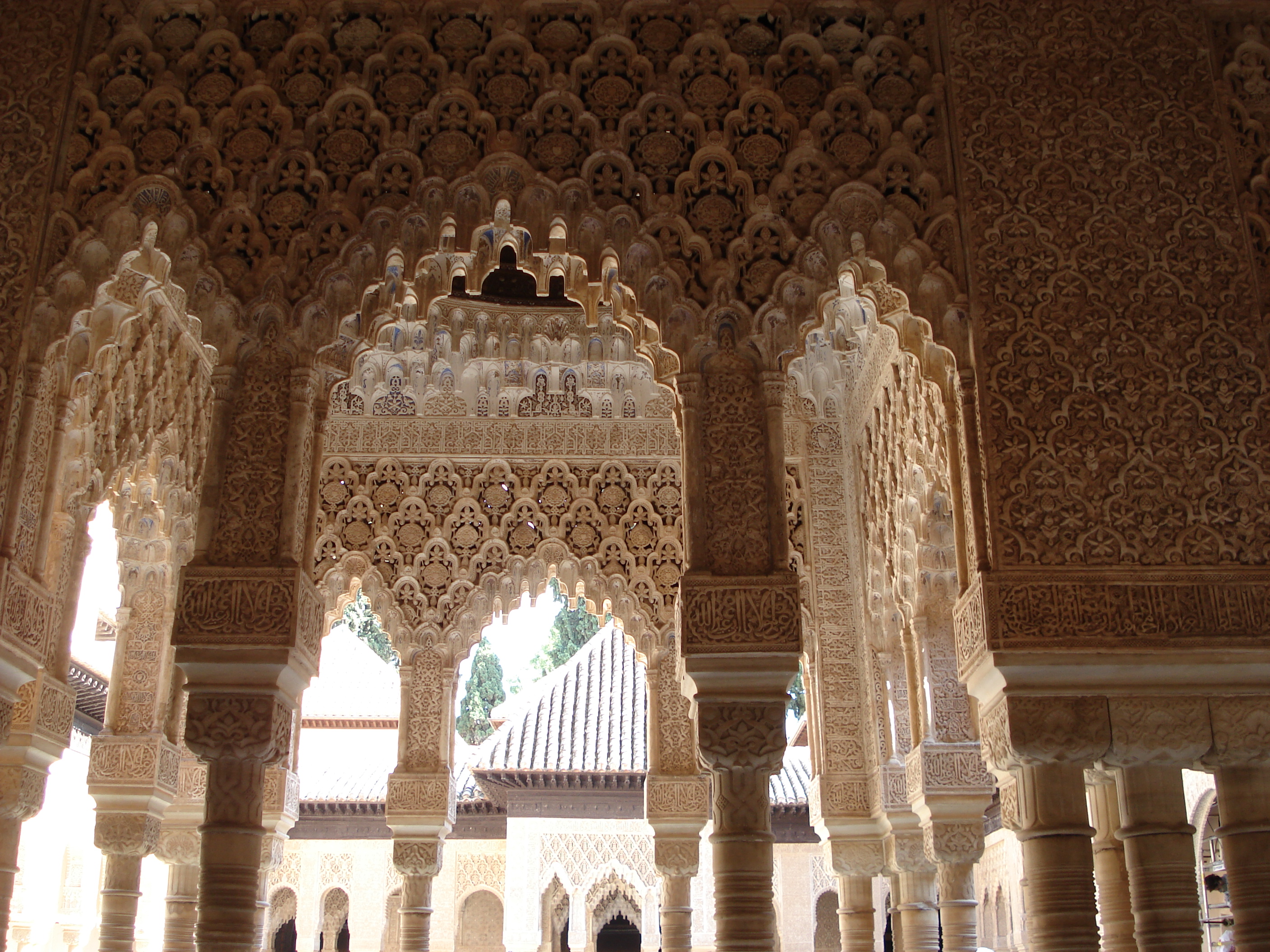
While the Alhambra and Generalife (garden) complex is actually huge, the most beautiful (and famous) parts of the site are the Nasrid Palaces. These are the parts you need to pay to see, and these are the parts you need to purchase a ticket for. If you want to purchase a ticket on the day you go, people begin to line up at 7am or so and the available tickets are usually gone shortly after the site opens. I did NOT line up at 7am, I paid the extra 2€ to book a ticket through my hostel (I could have saved a little booking on my own online but I would have needed to do that two weeks in advance).
Nasrid Palaces, Alhambra

I ended up spending almost five hours in the huge Alhambra complex and about 45 min in the Nasrid Palaces alone. These palaces are the location of some of Spain’s finest Islamic architecture (I’d make the leap and say it’s the finest but some people I met liked the Alcazar better). The attention to detail and the level of skill required to make something so intricate and so beautiful is absolutely mind-boggling, almost overwhelming, and truly has to be seen to be believed. My photos hardly do justice to the exceptional work of the artists who created these palaces.

The entire time I was wandering through the Alhambra I tried to imagine what it would have been like for the noble personages inhabiting these grounds: what it would be like if the Generalife gardens were mine for my own private enjoyment, how it would feel to be a commoner summoned to one of these palaces for an audience with royalty, how daunting (or perhaps excitingly challenging) the task of decorating and maintaining these spaces would have been. I wonder if any of those people had an inkling that one day, long after they were gone, these palaces would be here still, with thousands of people walking through these rooms daily, exclaiming at their beauty, taking photographs, writing blogs and postcards, and wondering.

Wall detail, Alhambra

Occupying Sevilla

Flamenco bar in Seville

When I arrived at my Seville hostel on Thursday afternoon, it was so hot (35 degrees!) that I decided not to do anything with myself until the evening (good call). I signed up for a little tapas and Flamenco tour being offered through the hostel and figured it would be a nice way to make something of my first evening in Seville and to meet people in my hostel.

Check and check. Seville is a tapas town, and although that evening was unfortunately the only time I actually “did the tapas thing” during my time there, I enjoyed my sangria and beer, as well as the two tapas I ordered (fried vegetables and, much to my eternal delight, fried camembert). The Flamenco was, unfortunately, fleeting. When we all packed ourselves into the tiny bar it was pretty obvious that it would be soley a Flamenco music show, as there was no space for any dancing. I knew I was too tired to last until the show ended at 3 am so I stood near the door (and the tiny bit of breeze that was wafting in) and prepared to enjoy the music.

I certainly did enjoy the music. The three musicians (two guitaristists and a man playing a drum) played and sang with love and their ability to project their voices in such a packed and acoustically poor space was incredible. I have no idea what they were singing about but their music provoked a longing feeling I often get when I listen to something that sounds beautiful and powerful and sad, even if I don’t understand the language.

What the tapas and Flamenco tour leader forgot to tell us, and what made my Flamenco experience “fleeting”, is that the owner of the bar would require us to buy a drink to be able to remain in the bar. That actually makes a lot of sense, but since I didn’t know, and since I was sort of standing all squished in at the back, I didn’t really feel like ordering a drink when she came by, so she kicked me out of the flamenco bar.
That’s right. I, Lauren Kresowaty, who has never been kicked out of anywhere in her life, was kicked out of a Sevillian Flamenco bar. Oh well. I tell myself I was about to leave soon anyways, and at least two of the girls standing near me ended up in the same predicament so we were all able to walk back to the hostel together (which was on the other side of the river). Absolutely sumptious raspberry gelato, which I found at a gelato bar still open after midnight, made everything better.

I only officially visited two tourist sites while in Seville. On Friday, I went to the Seville’s cathedral, and on Saturday, I visited the Real Alcazar, a huge palace and garden complex (sometimes referred to Seville’s answer to the Alhambra).

Cathedral, Seville

Perhaps the fact that I have visited so many cathedrals already coloured my feelings about Seville’s, but I feel that for an admission fee of 7,50€ (compared to other cathedrals so far which charged about 3€), something really ought to be pretty cool. Seville’s cathedral is impressive because it is very VERY big, and very rich. It also houses the remains of Christopher Columbus (although there are still many reasons to believe his remains are actually still in the Dominican somewhere).  For me, the most interesting part was the tower of the cathedral, which is actually a minaret left from on earlier mosque that had been on the same site. If you like cathedrals and haven’t already gotten sick of them, I think you may really enjoy Seville’s. If, however, cathedrals don’t really float your boat and/or you’ve already seen so many that it doesn’t impress you anymore, you may wish to take pictures of the impressive outside and give paying the 7,50€ admission fee a miss.

Another aspect of the cathedral you should also pass on are the women outside who will try to give you “rosemary” and read your palm. I unfortunately fell prey to this one and before I knew what was happening I had some green sprigs in my hand and was being told I’d have two children, and also that Santa Maria would now like me to give this woman 5€. I wasn’t into a confrontation so I gave her the 3€ that were in my pocket, but I wasn’t too happy about it. The fortune she told me was quite nice but I don’t trust her palmistry any more than her horticultural skills–the “rosemary” in my hand did not look or smell like rosemary, and I’m quite certain that it was just a clipping from a nearby hedge.

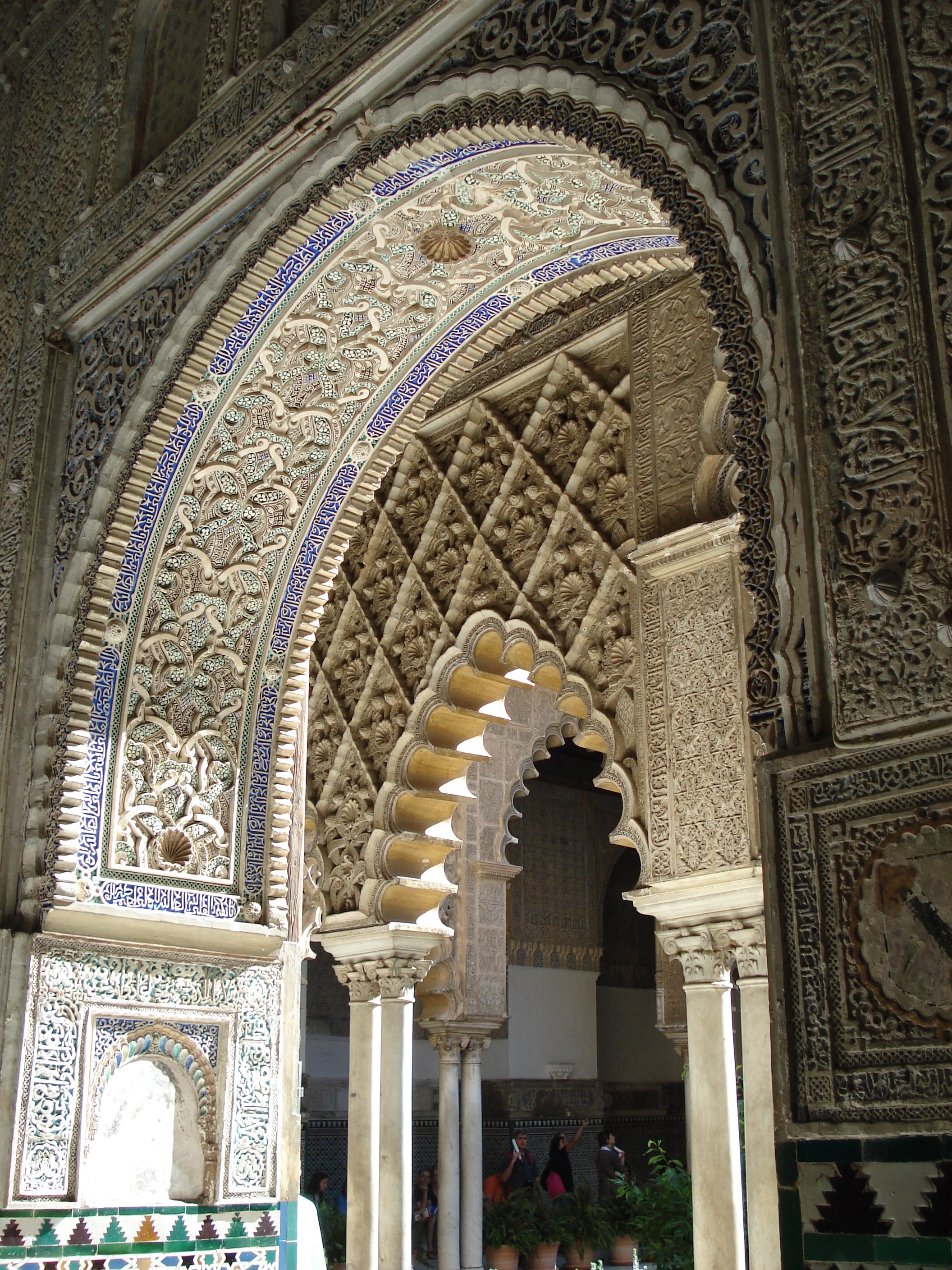
Islamic architecture, Real Alcazar, Seville

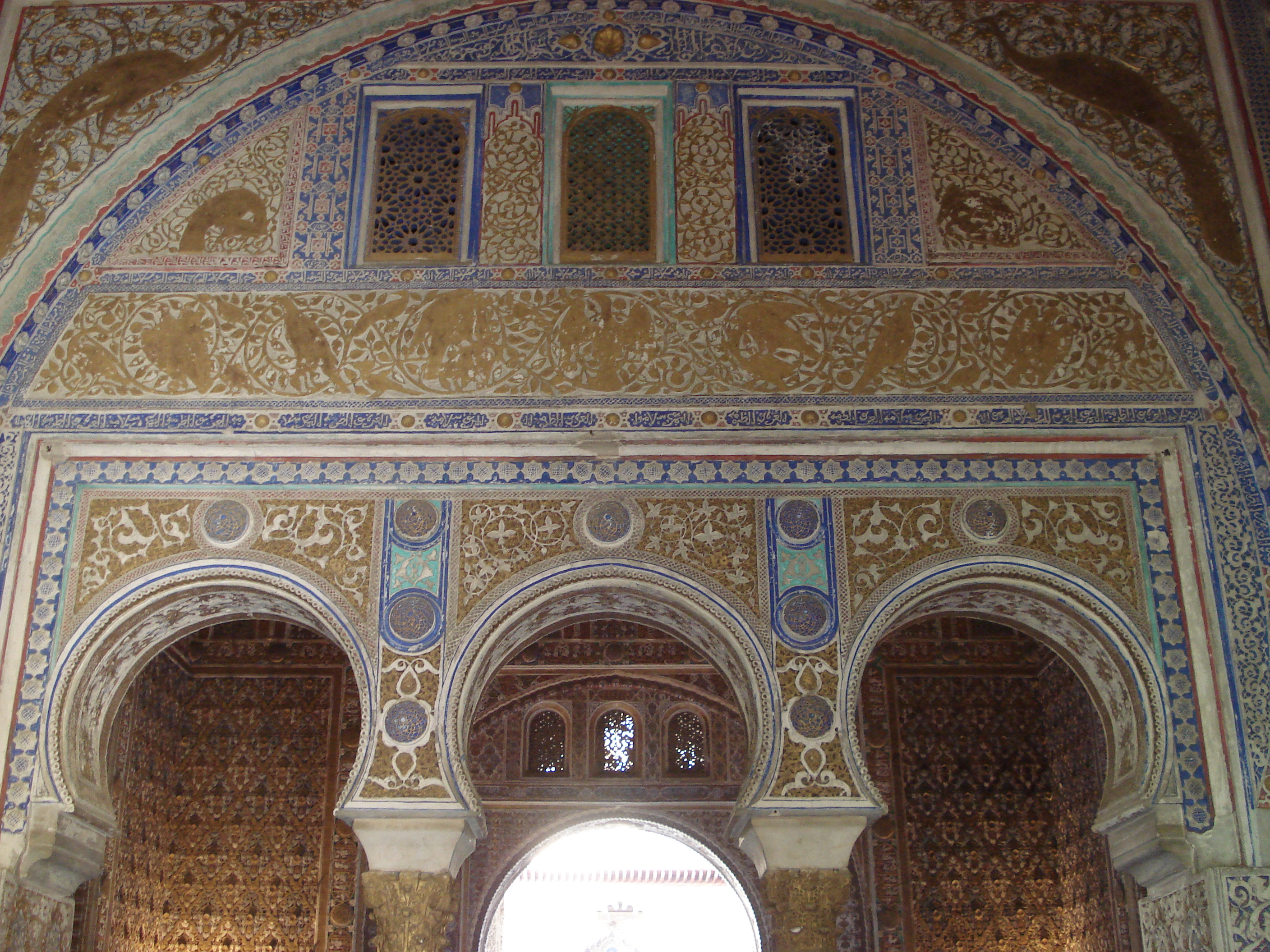
Saturday’s visit to the Real Alcazar was another slightly pricey affair but much more worth it to me. The palace complex is so large that even though I spent two hours within I don’t think I saw everything there was to see. My favourite parts were probably the Mudejar Palace (the section featuring the beautiful Islamic architecture) and the huge gardens. The gardens were complete with fountains, benches, a hedge maze, and peacocks. In fact, the gardens were so big that I almost forgot I was in the middle of a city. I guess it just goes to show that anyone can have the tranquility of country living in the city provided they have enough money and space.

It turns out that because the Alcazar gardens are so beautiful, it is a favourite spot for wedding photos in Seville. I saw five or six different newlywed couples wandering around the Alcazar, being followed by a photographer. I don’t think I’ve ever seen so many brides in one day. It was kind of exciting to see so many people celebrating a special day in one place.

Aside from the major landmarks, the thing I actually loved most about Seville was the atmosphere. Although the city was almost intolerably hot (and therefore completely quiet) during the siesta hours, its evening life more than made up for it. As I was wandering through the streets at around 9 pm on a warm Friday evening, I found the city incredibly active, but also not at all busy. People were drinking and eating tapas in restaurants. Families were bringing their children into the squares and the kids were all over the place, skateboarding, playing on scooters, and chasing one another. While I was eating dinner in the Plaza Encarnacion, I watched a little boy practice kicking his soccer ball, completely intent on getting it over a concrete retaining wall and heedless of the passers by. I absorbed the activity all around me but still felt relaxed and centred as I enjoyed a beer with dinner.

Occupy Seville, Plaza Encarnacion

On Saturday night the square became even more active as the Occupy Wall Street movement found its way to Seville. I watched from the roof of the hostel as hundreds of people poured into the Plaza Encarnacion, dancing, drumming, blowing whistles, waving signs, cheering, singing. People at home asked me what the police presence was at the protest but as far as I can tell there wasn’t any. Occupy Seville was a completely positive experience, with families present and venders selling roasted nuts to the protesters.

My evening (and my time in Seville) ended with pizza in the Santa Cruz district with a Winnipegger I met in the hostel. We talked about travel, we talked about politics, but mostly, we talked about love.

And truly, what else is there to talk about on a warm night in Seville? Warm hearts and warm-blooded passion are all over the city and it was such a priviledge to stop trying to be such a rush-rush tourist for three days and simply drink it in.

Deserted: Nifty Goes to Faro

Since arriving in Portugal I don’t think I have seen a single cloud. Not one. This made it a very good idea to make Faro my last stop in Portugal. I’d heard about the long stretches of sand on the little islands that help make up the Parque Natural da Ria Formosa, and I thought Faro sounded like the perfect place to slow down, hit the beach, relax, and maybe take a dip in the Atlantic.

Lagos, farther west of Faro but still in the Algarve region, is probably the most famous (and most touristy) of Portugal’s southern beach cities. From conversations I had at the hostel in Lisbon, and my own research, it sounded like by skipping Lagos I skipped a whole lot of beach, a whole lot of resort feel, and a whole lot of party. Fine by me. If I wanted only to drink and get a tan I’d go to an all-inclusive somewhere.

Despite being definitely more touristy than, say, Guarda, Faro does retain some Portuguese character. When I arrived yesterday I was mostly interested in the logistics of checking into my hostel and looking into boat trips to the Ilha Deserta for the next day, and had only the late afternoon for seeing the city itself, but what I saw of Faro’s centre was absolutely charming.

First stop, as usual, was Faro’s Se, which probably contained more gold paint than I have ever seen anywhere in my life. Best was probably the trip to the roof, which allows you a view of Old Faro’s rooftops, as well as a clear view out to the sea.

Da Silva's colourful tapestry all about Portugal's postal service

In order to get out of the afternoon heat, I then made a quick trip to Faro’s Museu Municipal, where I discovered the work of two contemporary Portuguese artists: Rosario da Silva and Faro artist Carlos Filipe Porfirio. I found their work colourful and whimsical, and, in the case of Porfirio, containing quite a bit of mystery. I didn’t really plan to see any contemporary art while in Portugal but I am quite glad I did.

Wednesday I awoke bright and early and after the usual spartan hostel breakfast I headed down to the pier to catch a ferry to the Ilha Deserta to spend the day.

Sand, sand, and sand on Ilha Deserta

By “deserta” they really do mean deserted. This little ilha is nothing but a narrow strip of soft white and coral-coloured sand. The north side has a pier, the middle has scrub bushes and a restaurant (with a WC–very important), and the south side has beach. That’s it. Beach. As far as the eye can see. It was beautiful. I kept giggling to myself because I really couldn’t believe my good luck, to be wiggling my toes in warm water and soft sand, and staring across a turquoise Atlantic. What a day!

I shelled out the 7€ to rent a sunbed from the restaurant for the day, and spent the next five hours lying in the sun, with a couple of dips into the beautifully clear, refreshing, and especially salty sea.

My big mistake was assuming, for some reason, that the sun in October would be at such an angle that I would not be sunburned, since I’d been wandering all over Portugal for a week and hadn’t been burned yet. MISTAKE. BIG BAD MISTAKE. I used sunscreen very sparingly that day, only on my nose and cheeks and the back of my neck really, and you can tell, because everything else is an angry red. In short, I have one of the worst sunburns of my adult life. I have now purchased a brand new bottle of sunscreen, which I am using LIBERALLY while I try to appease my poor burny skin.

Sunburn aside, I had one of the most relaxing days I’ve had in a long time. It’s amazing how much you can enjoy yourself on the beach when you’ve literally nothing to do but lie on a sunbed, cool yourself in the sea, and gaze at the sumptious view.

My day on the Ilha Deserta was a perfect way to end my time in Portugal. While it pains me (quite literally, at the moment) to say good-bye, new adventures await across the border to the east, and it is time to say adeus, Portugal, and obrigada, and greet my next destination with a hearty ¡Hola, Espana!

Lisbon and Evora: Old Cities, Old Streets, Old Bones

“I’m in Lisbon. I’m in Lisbon. I’m in Lisbon.”

This is what I had to keep telling myself after the man at the information desk at the Lisboa-Santa Apolon train station refused to grab me a map or help me once I arrived because he wasn’t the tourismo, and the tourismo was closed.

This is what I had to keep telling myself after I (clever me) figured out how to get from the train station to the Bairro Alto neighbourhood (where my hostel was) on the metro ALL BY MYSELF but, because I was looking at a flat little depiction in my Lonely Planet, did not realize my 20-minute hike from the metro to the hostel with my 40 lbs. of backpack would be almost exclusively uphill, or up stairs, in weather that was much MUCH hotter than it was when I left Guarda.

This is what I told myself when I checked into the hostel and realized all the other beds in my mixed dorm room were occupied by men and something got stuck in the door lock mechanism and I almost locked myself in the dormitory.

But hey, I was in Lisbon. And after a rocky start to the relationship, I eased into both the city and hostel life (lots of interesting people, drinks on the patio, a full moon for my last night). My only regret is that I did not stay longer.

On Sunday morning I set out on foot for the Alfama, Lisbon’s old Moorish district. My companion for the day was Ori, an Israeli life-coach who was also staying at my hostel and who, like me, was travelling for a month through Spain and Portugal (though he did Spain first). We got lost several times and wandered up and down through the twisting labyrinth of the district but the entire experience was enriched by our conversation. We discussed religion, politics, and world affairs, among other things, and I was particularly interested in hearing the Israeli side of the story regarding Israel’s boarding of the Gaza-bound flotilla last year. It was also interesting to be called upon to describe the Canadian viewpoint of these same events and others regarding that area of the world (as if there’s only one viewpoint, but I did my best).

Castelo de Sao Jorge, Lisbon

As tourists, Ori was most interested in the “points of view” (referred to as miradouros) from the high points of the city (it’s a very hilly city, so there are many), and I was interested particularly in the Castelo de Sao Jorge. It seemed a bit much to cough up the 7€ admission for the castelo (why oh WHY did I leave my student card at home?!), but once inside I did not regret it. The castelo is actually HUGE, and its outer walls contain not only the fortress itself, but also a museum, a garden, and restaurants. I was not all that interested in the museum (I saw enough old bronze swords and Iron Age loom weights in Guarda’s museum) but the sheer amount of battlements and towers open to the public (almost all of them) was enough to keep me entertained for a full hour, climbing up every staircase I saw, passing through every archway, and peering through every arrowslit. As I explained to Ori: ‘Nothing captures the imagination quite like a castle.’

Se, Evora

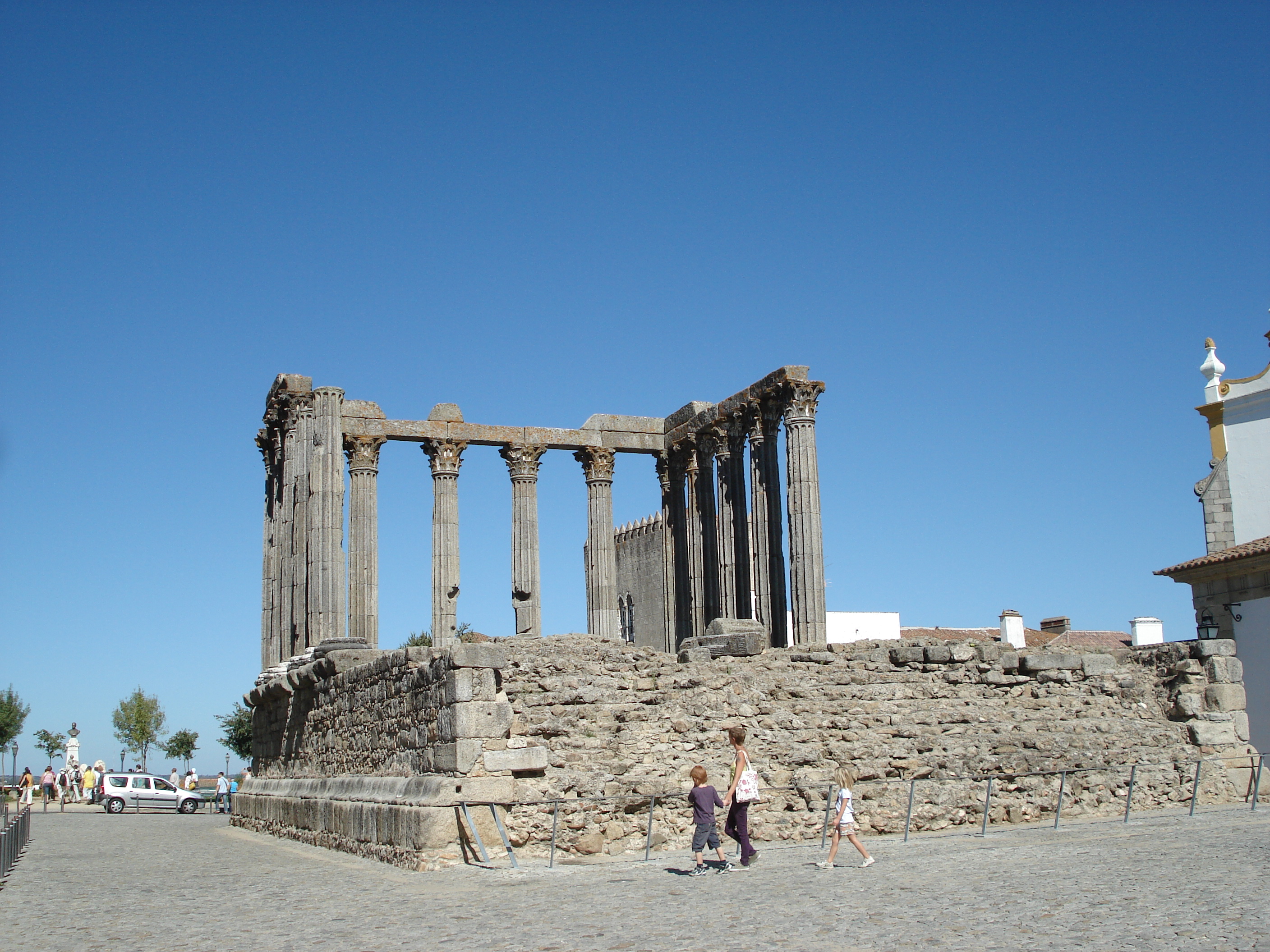
Yesterday’s day trip to Evora was also, well, plain old fun. I visited the medeival Se, of course (I’ve seen the Se in every Portuguese city I’ve visted so far) and the old Roman temple standing beside it. I peaked in at the Roman ruins contained within the Evora town hall, ate lunch in the square out front, walked along the Aqueduto da Agua de Prata (Aqueduct of Silver Water), and spent the siesta strolling through the Jardim Publico (public garden) and eating a pastel de nata (a sweet custard tart that Portugal is famous for). Not a terrible way to spend an afternoon.

Roman Temple, Evora

Something that was rather amusing about the university town of Evora is that I happened to visit just as the October semester was beginning and I got to see groups of freshmen undergoing a bit of hazing and public humiliation at the hands of their older peers. My favourites included the young man dressed as Miss Piggy forced to order at the cafe, and the group dressed as Crusaders and Turks, singing what seemed to be ABBA’s hit “Thank You for the Music” in Portuguese.

After siesta was over I visited the Igreja de Sao Francisco, but to be honest I was more creeped out by this church than uplifted spiritually. There comes a point when the more gold and statues you stuff into a place the less the incredible balance and heightened sense of tranquility created by the architecture can have its desired effect. I think the Igreja de Sao Francisco reached that point, and then some. But it’s still quite a sight, and I’m not surprised the Lonely Planet listed this church as Evora’s most well-known.

Bone Chapel, Evora

If I thought I was creeped out by the Igreja that was nothing compared to how I felt visiting the Capela dos Ossos (Chapel of Bones) adjacent. That’s right, a chapel whose walls and ceiling were made completely of the bones of and skulls of long-gone Evora residents. Even though I felt really weird about it I paid the extra so that I could take photographs. The only way I can morally justify taking photos of people’s bones is the purpose of the chapel itself, emphasised by the inscription above the chapel door: “We whose bones are here, wait for yours”. This was a place built to remind us of the impermance of our lives, and the futility of our vain pursuits. The image is meant to be taken with you.

Even so, old bones. It’s just……creepy.

I’d hate to leave you with a startling mental image of your own mortality so instead I will leave you with a mental image of what I saw as I rode the train back into Lisbon: a full moon rising over red tile roofs, the Rio Tejo sparkling beneath, and a sense of heat and magic and colour breathing from the entire city. De nada.

I HEART LISBOA


Port in Porto and (Mis)adventures in Manteigas

Ola!

Your favourite nifty traveller (that’s me, of course) arrived in Porto, Portugal, Tuesday evening and through the help of the internet, a map, and the kindness of strangers, managed to navigate the metro and the bus to reach the Porto Youth Hostel at around 9:00 pm. I scrounged up a towel (they don’t usually supply them to the dorms but I had my ways), called my TC to confirm that I had arrived safely from London, and fell into a deep sleep.

In case you are wondering about the Portal Youth Hostel (part of a Portuguese group of hostels called Pousada Juventude), it was clean and bright, the staff was helpful, and it had beds and showers. Otherwise it was pretty spartan. For the traveller on a budget it is a good place to stay, however, you need to bus 4km to get to the centre of Porto.

Porto Se, from the Torre dos Clerigos

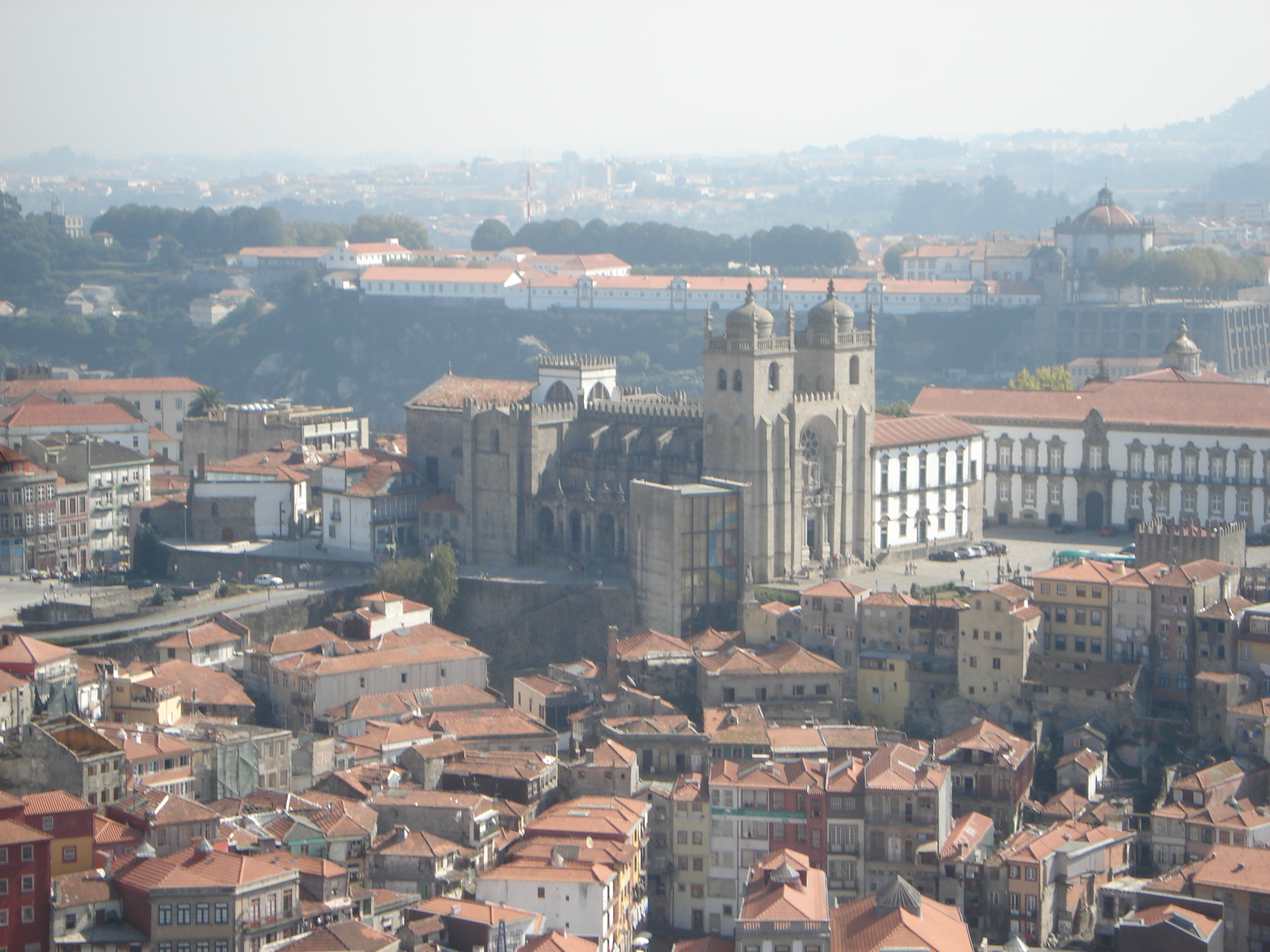
Porto itself is a beautiful city. I unfortunately arrived in the centre during siesta (12:00 to approx. 2:00/2:30 pm daily) and on a national holiday, so several attractions I did not get to see because they were closed. I was able to go inside the large Se (cathedral) which dominates the Porto skyline, and to climb the Torre dos Clerigos, the large tower which allows a view of the city and also of the Se. I purchased a Porto card from the very helpful tourismo beside the Se, which provided me with free admission and discounts at main attractions, as well as free public transport in the 24 hours from validation of the card, but as many attractions were closed and I only needed to take the bus twice, I think I would have been better off to save my 8,50 euros and pay admission for the few attractions I visited.

Porto, from across the Rio Douro

Wasting my money aside, I am very glad I decided to continue my adventures from London in Porto. It is a beautiful place simply to walk around (I organized my journey so that I could take the bus to the top of the Ribeira district and walk down, towards the Rio Douro, and avoid too many uphill climbs). The Ribeira district, with its narrow cobblestone streets and tiled buildings snuggled closely together, is the reason I decided to visit Porto, and I was not disappointed. As per my Lonely Planet: Portugal‘s suggestion, I finished my little walking tour in the evening by walking across the Ponte de Dom Luis I to the other side of the Douro. There I found one of several waterfront restaurants where I could sit on a patio as the sun set and enjoy a nice glass of port.

Well, I wish I could say I enjoyed a nice glass of port. As it turns out, I do not like port. It is too sweet and too syrupy for me. But when in Porto…

Thursday morning  my 40 lbs. of bag and I boarded a bus to Guarda. I had intentions of visiting the Parque Naturel da Serra da Estrela, and Guarda is one of the small cities that borders the park. I had no problems with the bus, or with checking into the Residencia Filipe (recommended by my Lonely Planet and also by me…nice private room and bathroom, with breakfast, for less than I am paying for my Lisbon hostel). The minute I got into my room I washed my socks and underpants and hung them on a makeshift line stretching from the wardrobe to the bedpost. Clean laundry! Heaven.

That, however, is where my luck ended. The women in the Guarda tourismo were incredibly helpful, but there was nothing they could do to fix the following:

To hike in the Serra da Estrela, you must go to the town of Manteigas. Buses to Manteigas leave Guarda in the afternoon, but only go from Manteigas to Guarda in the morning. It is therefore impossible to take a day trip by bus. It was suggested that I go to Manteigas that afternoon and return the next day, but as my underpants were hanging wet on the line in the Residencia Filipe, I thought it would be a bit gauche to check out at that point. I could travel to Manteigas the next day (Friday) but as buses do not run from Manteigas on the weekend I’d be stuck until Monday.

In the end I decided to extend my stay in Guarda, bus to Manteigas Friday, make the most of an afternoon there, and swallow a 36 euro taxi fare to head back to Guarda after a lovely day of hiking (I needed to be in Guarda to catch the train on Saturday). What a great plan!

No. The bus to Manteigas was lovely, though I found myself fearing for life and limb as we navigated hairpin turns and narrow mountain roads, with a rock face on one side and steep cliffs on the other. Once in Manteigas it turned out to be–SIESTA! The tourismo was closed! My Lonely Plantet gave me no map! The town did not have signage to mark their hiking trails! I ate my lunch in the sun and waited for the tourismo to open. When it did, I almost cried when I realized the women in the office spoke no English. There were English maps, but although they listed the forty kinds of flora you might meet on your journey, the maps themselves were badly pixelated and did not tell you how to get to the start of the route (besides a land location: 40 degrees west, 700 m altitude, etc.). It also appeared as though you could not reach the start of these trails from town, you had to reach them by car. I suppose I could have taken a taxi to one of them, but at that point it was too late to start a 5km hike far from town when I wanted to return that afternoon.

It is then that I went outside and DID cry. To have gone all that way, and spent all that money and effort to see the Serra da Estrela and not be able to was very disappointing. I walked up and down the road a bit for an hour or so and did get a nice view of Manteigas and the valley below, and I suppose a small Portuguese mountain town is not a terrible place to spend an afternoon. But I had envisioned myself clambering over the granite boulders I had seen on the mountainside, buffeted by mountain winds and scorched by the heat of the sun in a cloudless Portuguese sky. Instead I was scorched on the sun on a small Portuguese mountain highway. Close, but no mountaintop for me.

Guarda, near the Se

My misadventures were caused by a lack of planning on my part and a lack of adequate information on the part of the Parque’s publicity department and tourismos and although it seemed silly to spend two nights in Guarda to see a park I didn’t see, I do not regret visiting the town at all. It was incredibly relaxing, and although I wasted a lot of time on misadventures, the centre was just small enough that there was plenty of time to see every single attraction Guarda had (the museum, the beautiful medieval Se, the judiaria, the towers, and the old town gate). I believe if I have a chance to return to Portugal in the winter, I would love to bring a car and skis, more money, and my TC and really see the Parque properly.

A note about the judiaria: during the time of the Spanish Inquisition, north eastern Portugal was one of the last holdouts against the Inquisitor zeal and many Jewish families fled to mountain towns like Guarda from Spain and southern Portugal. In the end, unfortunately, the Inquisition reached them even there, but the historic Jewish quarters remain. The small dilapidated buildings and narrow winding streets were one of my favourite finds in my explorations of Guarda.

Part of travelling is, of course, moving on, and as Saturday morning dawned bright and beautiful, I boarded a train for Lisbon, watched the landscape become flatter, the earth become pink (yes pink!) and then orange, felt the weather become warmer again, and readied myself for the adventures of NiftyNotCool to continue…

In case you’re wondering about me and the granite boulders, I saw some large ones beneath the Torre de Menagem in Guarda. I could have taken the stairs up to the tower like any old sucker, but not this gal. I climbed those boulders like a champion, and reached my mountaintop after all. 🙂